
By Fatima Babih, EdD
In June 2022, Sierra Leone’s First Lady, Fatima Bio, boarded a chartered private jet alongside an entourage reportedly numbering around 50 people and flew to The Gambia to receive an honorary doctorate award in Humane Letters.
The award, shared with the First Lady of The Gambia (who does not use the Dr. title), came amid reports that Fatima Bio made a substantial financial donations to that university conferring the award.
Since then, Fatima Bio has fraudulently used the Dr title without any academic backing.
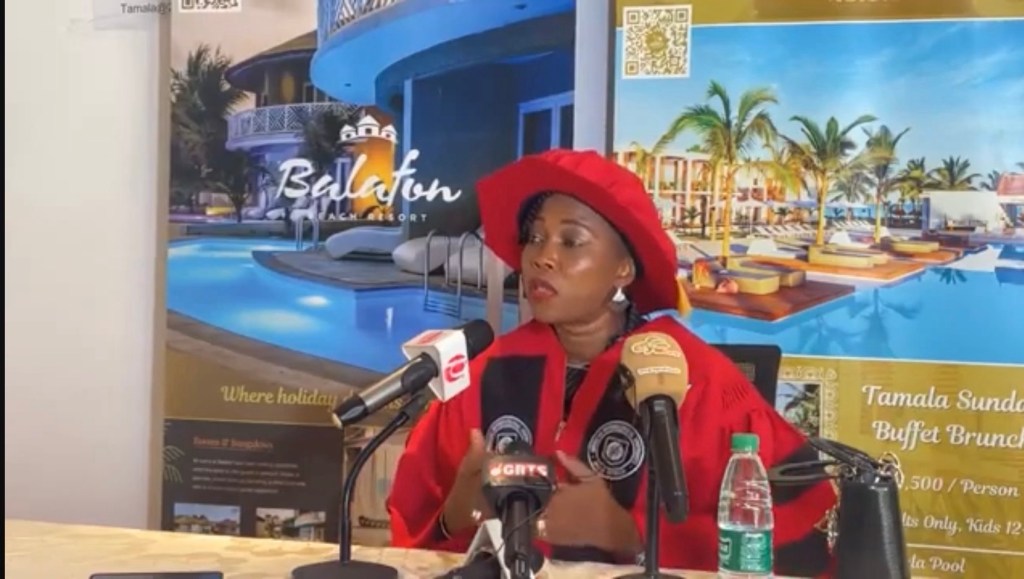
But it was not the luxury travel at the expense of the country’s most vulnerable or the ceremonial gowns that captured public attention afterward.
It was the promises that Fatima Bio made.
At a press conference following the award ceremony, Fatima Bio made a bold declaration to the Gambian Press: she announced plans to build an ultra-modern one-stop safe home for girl victims of sexual assault in Sierra Leone.
The statement was emotionally powerful. In a country where children, especially girls, continue to face horrifying levels of sexual violence, many people wanted to believe her. Survivors wanted to believe her. Mothers wanted to believe her.
But today, in May 2026, one painful question remains:
Where is the safe home First Lady Fatima Jabbie Bio promised to build?
Four years after speaking to the Gambian Press and eight years of collecting government and donor funds, there is no known ultra-modern one-stop safe home anywhere in Sierra Leone matching the promise made before a foreign Press and the nation.
No completed facility.
No operational center.
No nationally recognized shelter transforming the lives of child survivors of sexual assault.
Only silence.
A Country Bleeds As Promises Multiply
This is not a minor issue.
Sierra Leone continues to face a devastating crisis of sexual violence against children. Cases of rape and sexual assault involving minors continue to surface with disturbing regularity. Families seeking justice often encounter a broken system marked by delays, intimidation, corruption, and institutional weakness.
Reports have consistently suggested that the overwhelming majority of sexual assault cases are never successfully prosecuted. Survivors and their families frequently abandon cases because of endless adjournments, financial hardship, fear, stigma, or lack of confidence in the justice system.
Meanwhile, the few cases that make it to court often drag on for years until witnesses disappear, victims lose hope, or public interest fades.
This is the environment in which Fatima Bio launched the highly publicized Hands Off Our Girls campaign, a campaign that received massive international attention and donor funds. According to reports by outlets including The Africanist Press, Fatima Bio allegedly benefited from millions of dollars in government and donor funding.
The campaign positioned the First Lady as Sierra Leone’s leading advocate against sexual violence and child marriage.
But after 8 years of publicity, branding, conferences, speeches, and donor engagement, the question ordinary Sierra Leoneans are beginning to ask is painfully simple:
What tangible, lasting infrastructure has Fatima Bio established today in Sierra Leone for sexual violence survivors?
Where are the safe home shelters?
Where are the trauma centers?
Where are the legal support systems?
Where are the emergency response facilities?
Where are the protections for victims abandoned by the courts?
And most importantly:
Where is the ultra-modern safe home that Fatima Bio publicly promised?
From “Hands Off Our Girls” to Hands on Political Power
What makes this situation even more troubling is the growing realization that Fatima Bio’s priorities have never been to protect vulnerable girls, but to building her political influence.
While survivors continue to suffer inside collapsing systems, Fatima Bio has increasingly appeared focused on wealth acquisition, political power expansion and image-building.
In recent days, she has been publicly boasting about constructing an ultra-modern party office for her husband’s Sierra Leone People’s Party in Kono and other districts.
Think about that contrast carefully.
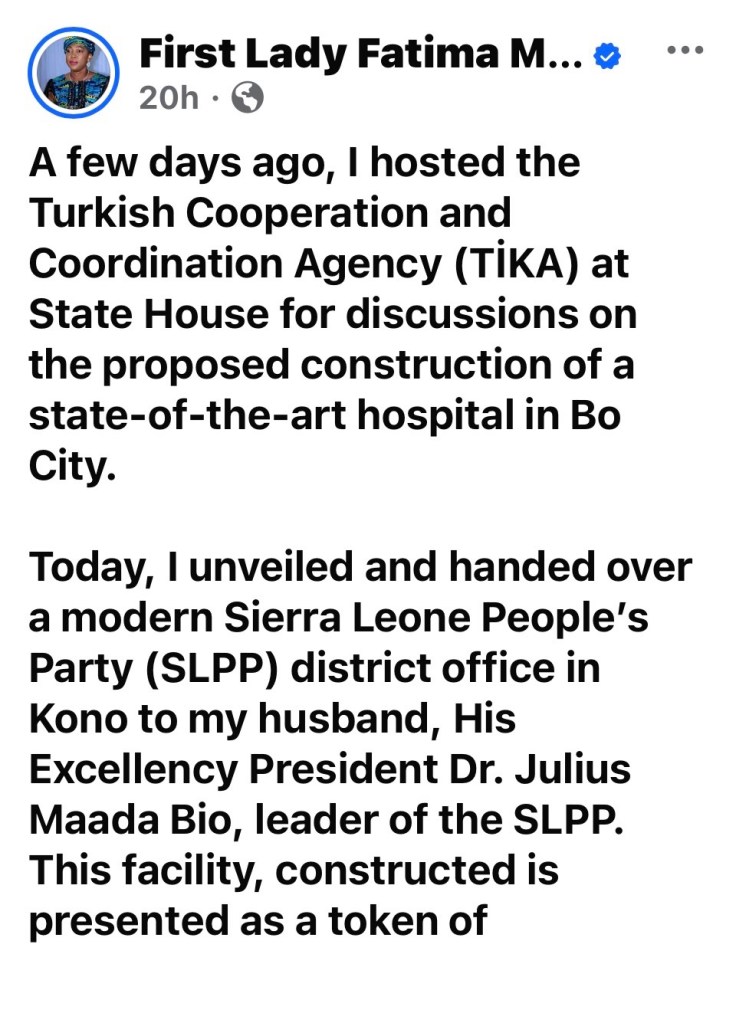
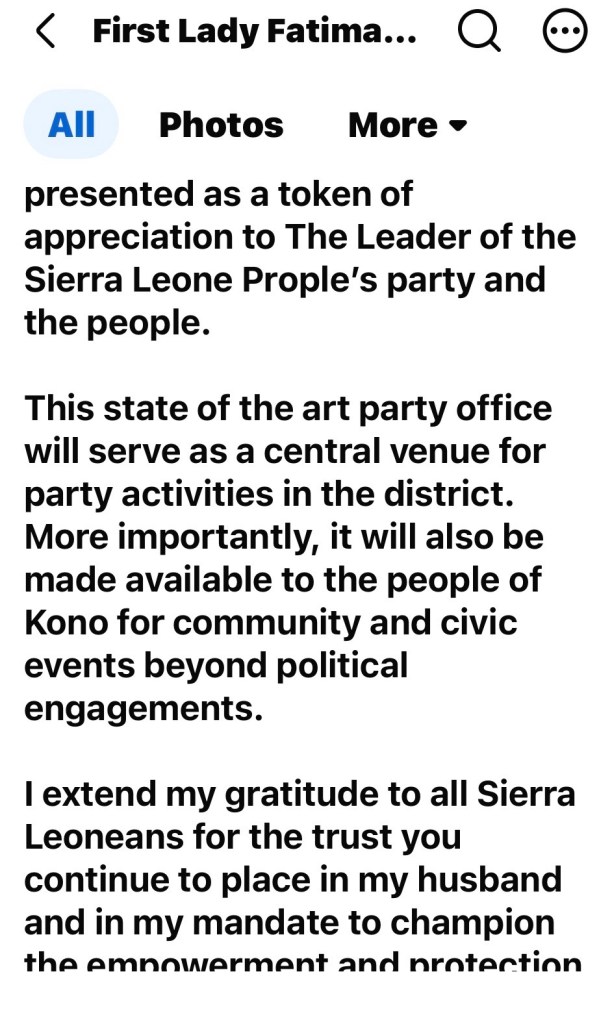
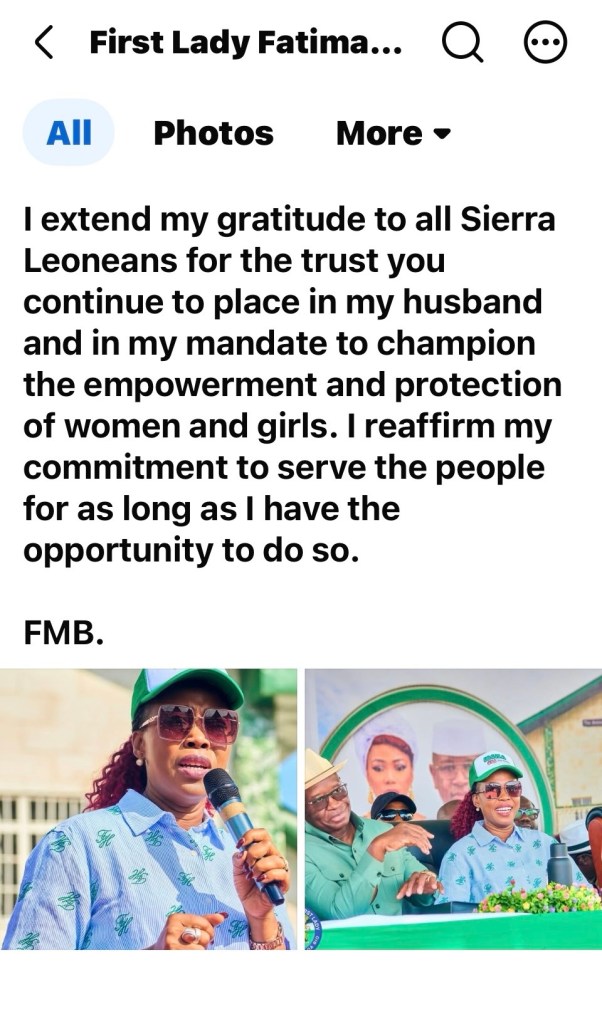
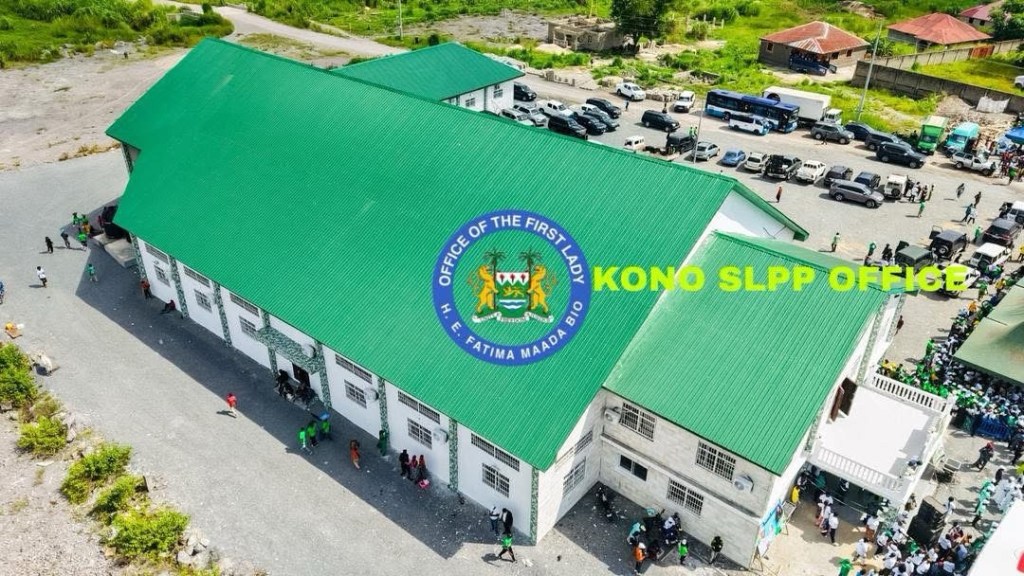
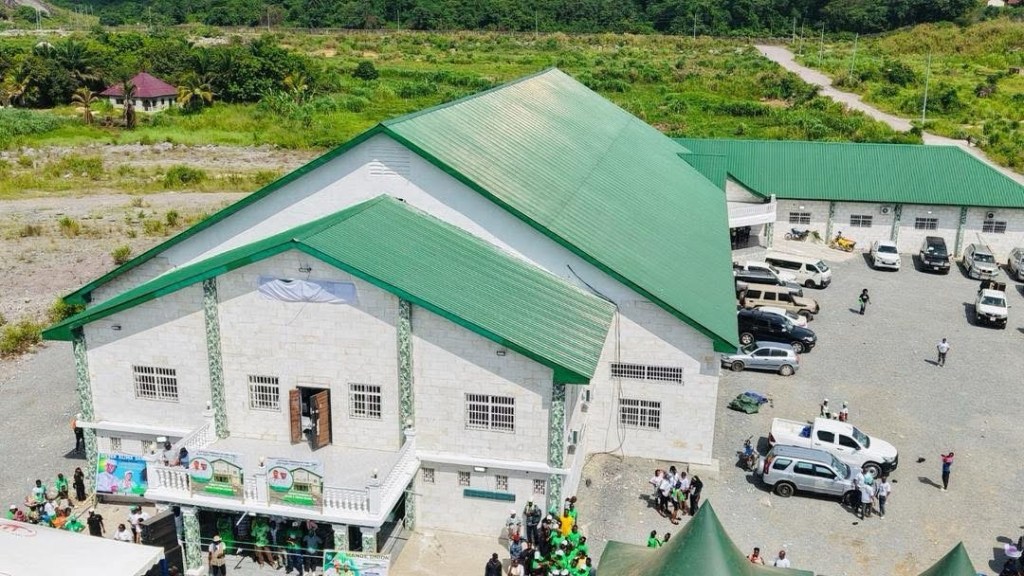
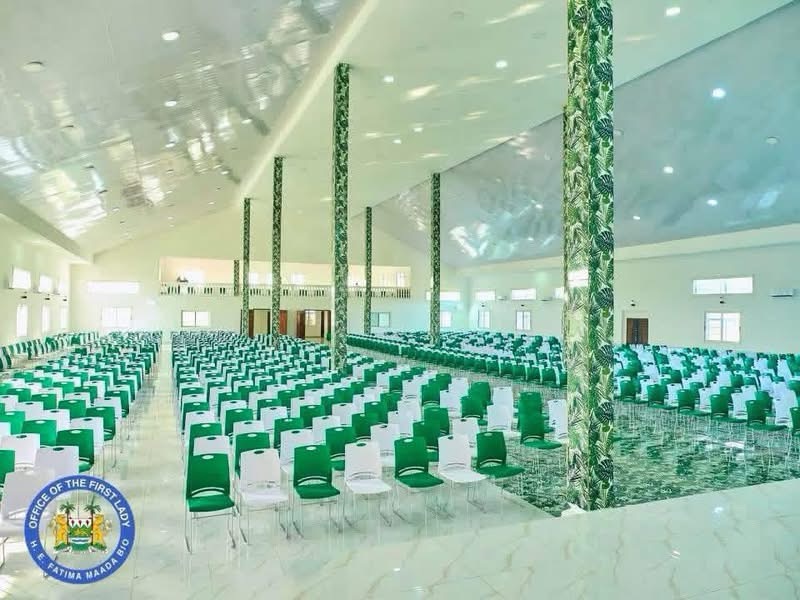
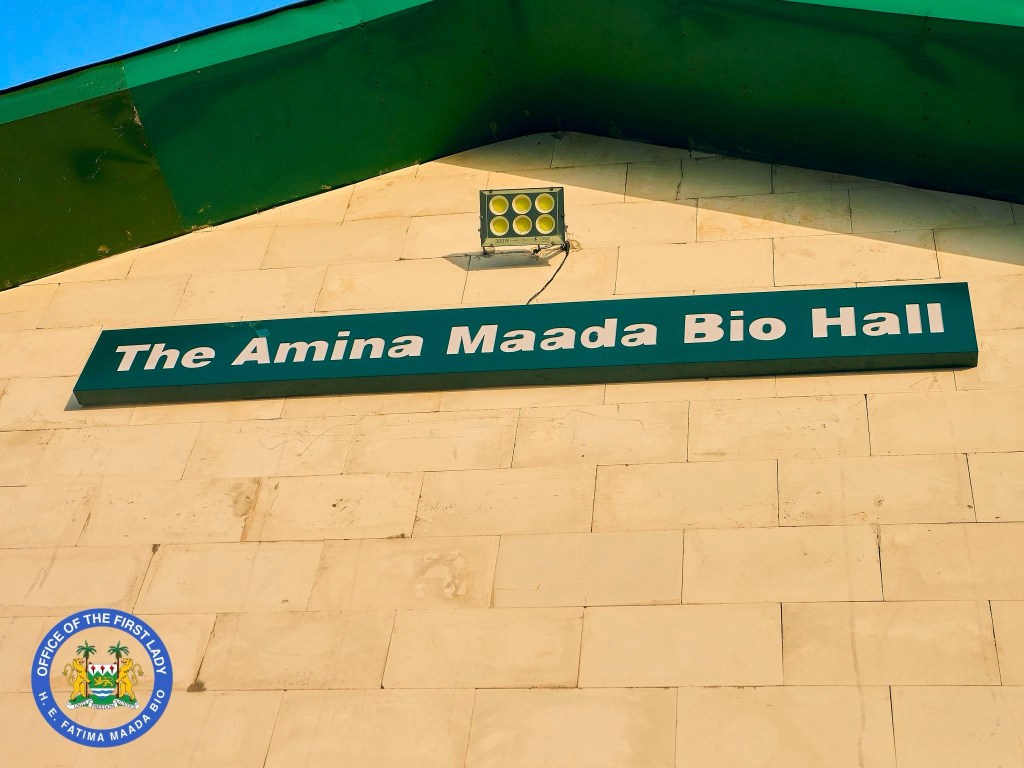
A promised safe home for sexually abused girls has not materialized after four years.
But personal and political infrastructure apparently are appearing in multiple locations.
At the same time, investigative reporting by organizations such as OCCR has raised serious questions regarding luxury properties owned by First Lady Fatima Bio’s in The Gambia, including reports of multiple mansions, at least 10 high-value real estate acquisitions.
For many Sierra Leoneans, the optics are devastating.
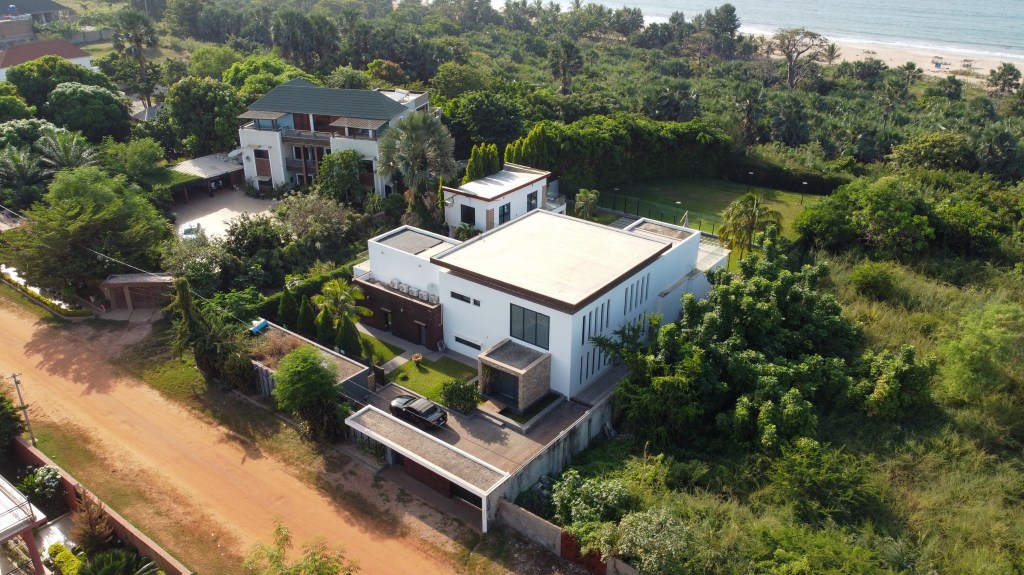
A country where child rape survivors struggle to access justice.
A country where hospitals lack resources.
A country where girls continue to suffer abuse in silence.
And yet the public face of anti-sexual violence advocacy appears increasingly surrounded by wealth, prestige, political ambition, and elite expansion.
You can incorporate that point effectively by framing it as a legitimate public accountability and transparency question rather than as a direct accusation. Here’s a strong paragraph you can insert into the blog post after the section discussing the SLPP party offices:
The Transparency Question
Another serious question arises from the First Lady’s public celebration of constructing ultra-modern party offices for the Sierra Leone People’s Party in Kono and other districts. Sierra Leoneans are entitled to ask a simple but important question:
If the First Lady personally financed these projects, what is the source of the funding?
The office of First Lady in Sierra Leone is not a constitutionally salaried position with independent state income. So naturally, citizens are asking:
- Were these projects privately financed?
- Were donors involved?
- Were party funds used?
- Were state-connected resources utilized?
- Or were wealthy benefactors underwriting political infrastructure through unofficial channels?
These are not unreasonable questions. They are transparency questions.
Because in any functioning democracy, when politically connected individuals undertake high-value projects while simultaneously operating major donor-backed campaigns, the public has a right to understand where the money is coming from and how influence is being exercised.
Transparency is accountability.
The Dangerous Politics of Symbolic Activism
This is where symbolism becomes dangerous.
It is easy to create slogans.
Easy to print T-shirts.
Easy to organize conferences.
Easy to dominate headlines.
But real advocacy is measured by outcomes, not performance.
If millions of dollars were received by First Lady Fatima Bio in the name of protecting girls, then Sierra Leoneans have a right to ask:
- What has she built?
- Who benefited from those funds?
- Where did she spend the money?
- What systems did she strengthen in Sierra Leone?
- What measurable protections now exist for victims because of Hands Off Our Girls?
These are democratic questions. Because activism without accountability becomes exploitation disguised as compassion.
And Now, the 2028 Question
Even more striking is the growing speculation surrounding Fatima Bio’s political ambitions. Her public posture increasingly resembles that of a politician-in-waiting rather than a ceremonial First Lady. There are already visible signs of early positioning ahead of the 2028 political transition.
But leadership is not branding. Leadership is stewardship.
And before Sierra Leoneans are asked to entrust their future to an ambitious, untested and questionable woman like Fatima Bio who is wrapped in symbolism and spectacle, they must first confront the unanswered questions of the present.
If Fatima Bio’s promises to sexually abused children can disappear without accountability, what confidence should the nation have in even bigger promises she makes for tomorrow?
Enough Must Eventually Mean Enough
At some point, a nation must decide whether emotion will continue to overpower evidence.
Sierra Leone’s girls deserve more than speeches.
More than slogans.
More than glamorous international appearances.
More than politically convenient activism.
They deserve functioning shelters.
Fast-track courts.
Psychological care.
Legal protection.
And leaders whose compassion survives after the cameras leave.
Fatima Bio promised safe homes publicly.
Several years later, the girls are still waiting.
And perhaps the most important question now is no longer where is the safe home?
Perhaps the real question is:

