
The International Day for the Elimination of Child, Early and Forced Marriage: What does it mean for girls in Sierra Leone?
By Fatima Babih, EdD
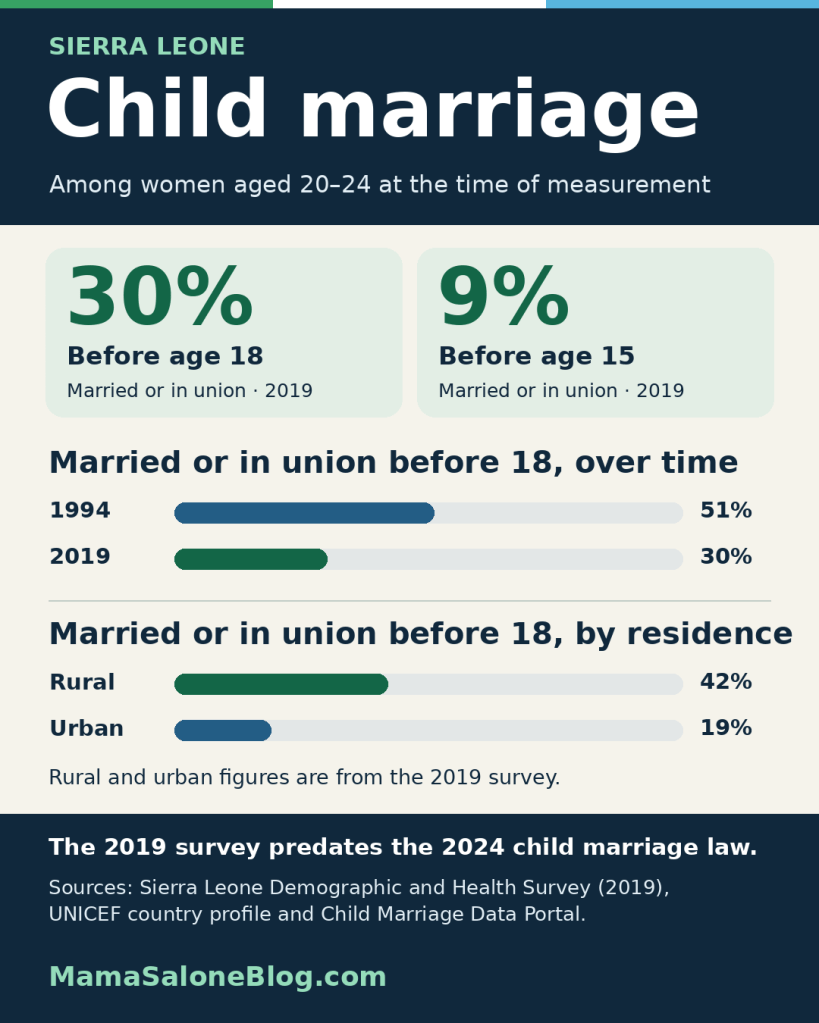
Picture a 15-year-old girl in Kailahun, Kambia or Pujehun. Tonight, she learns that her family plans to marry her off next week. She has four questions, and her future depends on the answers.
- Whom can she tell?
- Who has the power to stop it?
- Where can she go if speaking up makes her home unsafe?
- And will she still have a seat in her classroom on Monday?
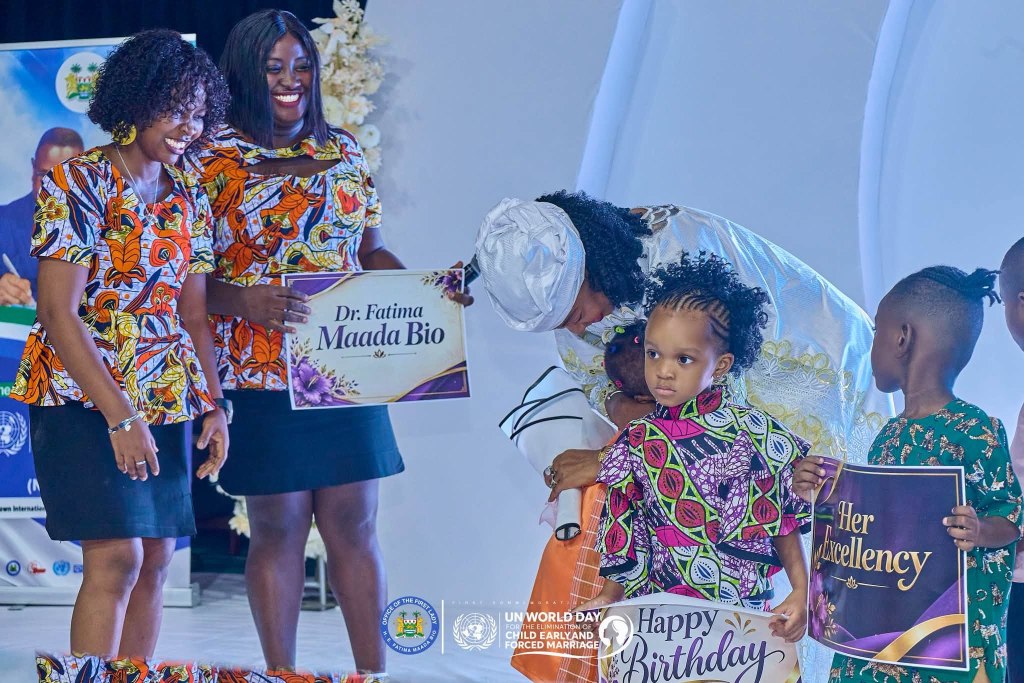
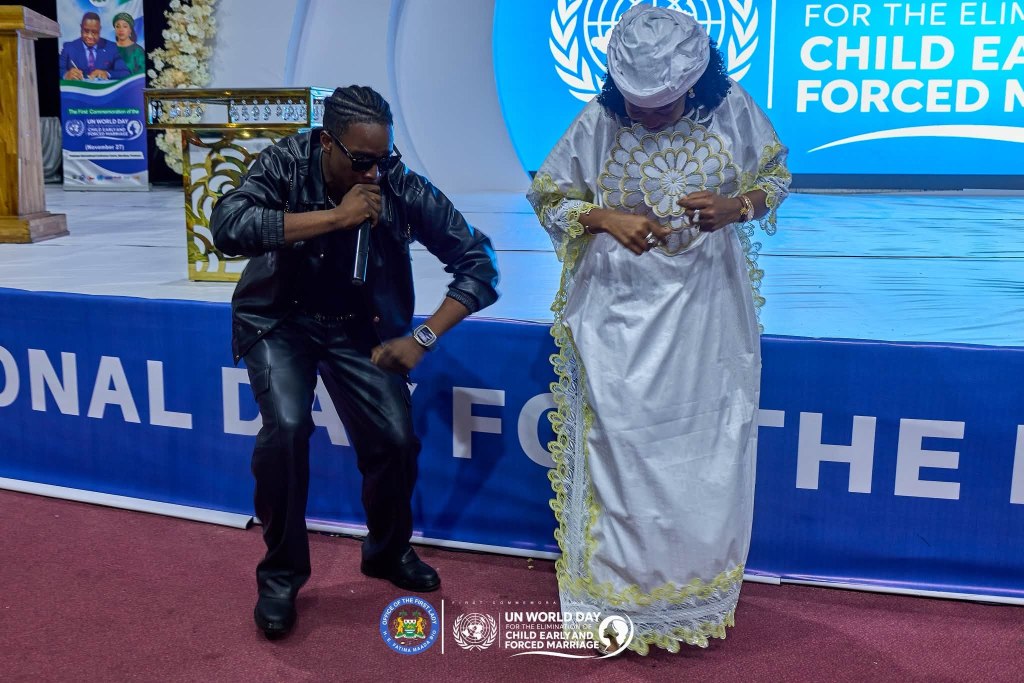
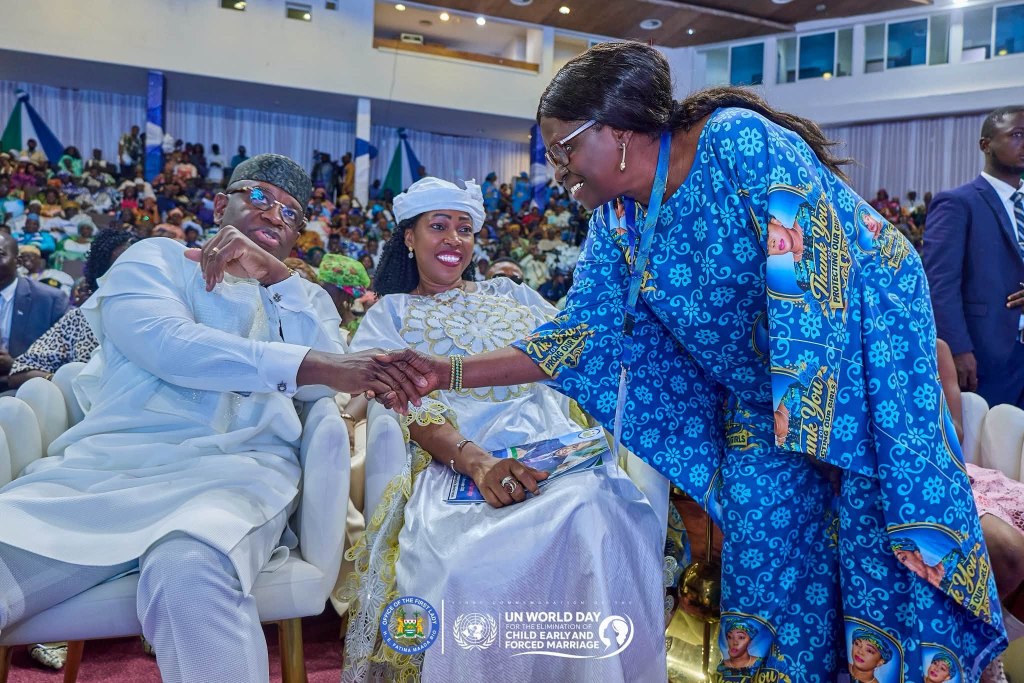
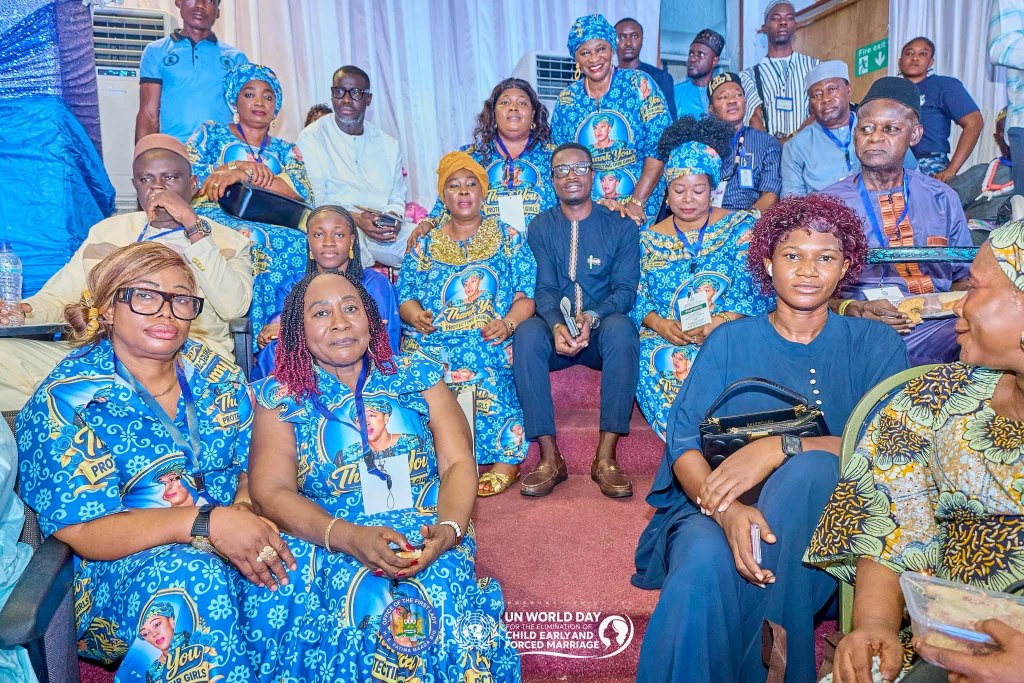
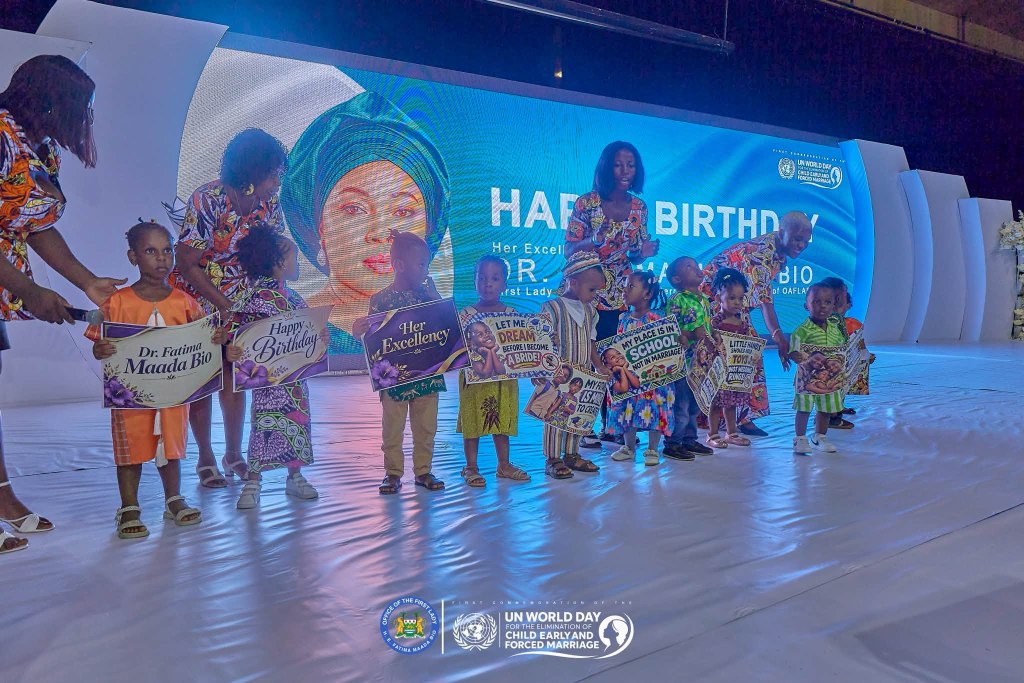
Those four questions should lead every story written about today, the first International Day for the Elimination of Child, Early and Forced Marriage. Instead, one headline folded the UN observance and First Lady Fatima Maada Bio’s birthday into a single celebration.
Let me be plain: November 27 is not a birthday. It is not a coronation, a photo opportunity, or a personal milestone for anyone. It is a day of observance, set aside for the millions of girls whose childhoods has been taken from them, and for many more girls still at risk tonight.
Blurring the two does more than confuse the public about who did what. It distracts from the only question that matters today: has anything changed for the girl in Sierra Leone?
What the UN Actually Did
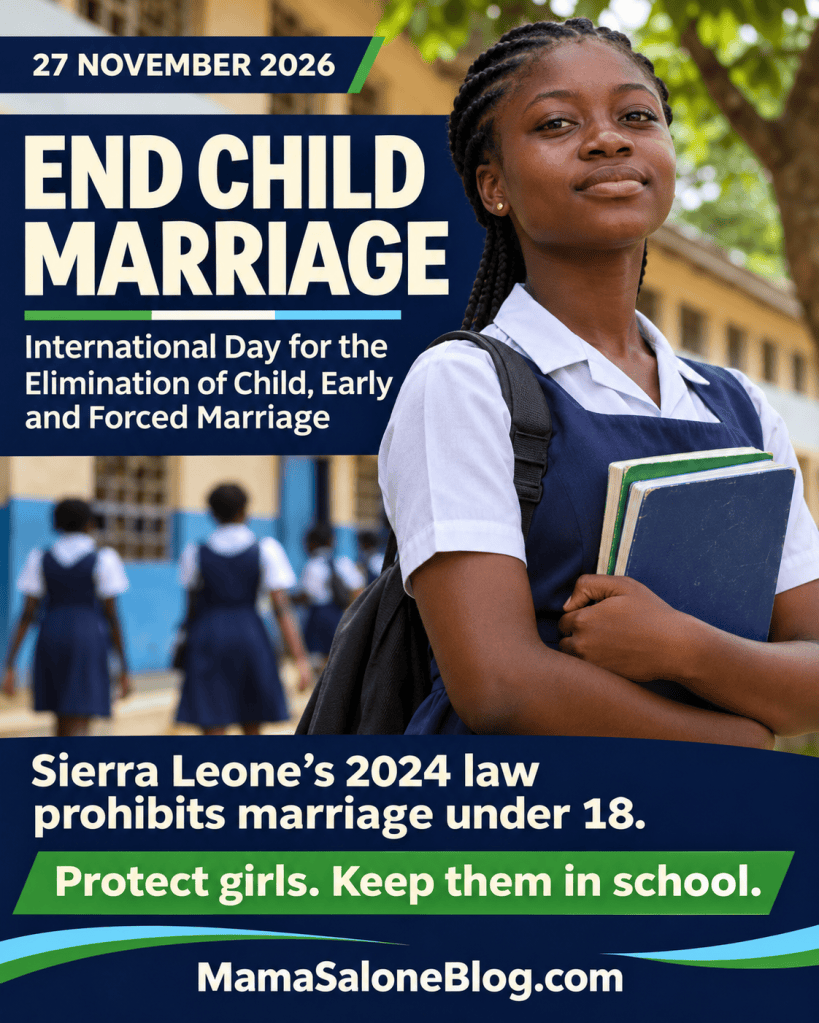
On September 4, 2026, the UN General Assembly adopted, without a vote, a resolution designating November 27 as an annual international day.
This date was proposed by the author of the resolution, Bhuwan Ribhu of the Indian organization Just Rights for Children, who chose it because it marks the day in 2024 when millions of Indians pledged to end child marriage.
Sierra Leone led the resolution as a member state, giving President Bio’s wife, Fatima Bio, the privilege of presenting it in the General Assembly hall. Member states sponsored it. The General Assembly adopted it. The credit belongs to many hands, and the obligations it describes belong to governments.
The resolution matters. It recognizes that girls are trapped in informal unions even when there is no certificate or ceremony. It calls for investment in education, including programs that help married girls return to school. It gives advocates, schools, and communities a shared date to raise awareness, stand with survivors, and measure progress.
But let us be honest about what it is not. A UN observance resolution is not a law. It creates no criminal offence. It imposes no penalty. It guarantees no funding for a safe home or a social worker. It invites governments to act, and it states that activities arising from it depend on voluntary contributions. A government can mark November 27 with speeches, sashes and cake, and still owe its citizens an answer for the other 364 days of the year.
The Law Sierra Leone Already Has
Sierra Leone’s girls do not need a UN day to be protected. They already have a law. Parliament passed the Prohibition of Child Marriage Act on June 20, 2024, and President Julius Maada Bio signed it on July 2, 2024, more than two years before the UN created this observance. Parliament’s records name Hon. Mariama Munia Zombo of Pujehun District as the MP who introduced the private member’s bill and steered it through the House.
On paper, the Act is strong. It bans marriage and cohabitation with anyone under 18, without exception. It punishes not only the husband but also the consenting parent, the officiant, and those who promote or attend. It lets courts issue injunctions to stop a marriage before it happens. Crucially, it assigns duties. The Ministry of Gender and Children’s Affairs must appoint Child Marriage Prohibition Officers. Line ministries must provide counselling, safe homes and support for survivors.
These are not favors. They are legal obligations, written into Sierra Leone’s own statute books.
Two Years On: Where Is The System?
Here is the uncomfortable truth. More than two years after that law was signed, a Sierra Leonean girl still cannot find out from any public government source whether a Child Marriage Prohibition Officer has been posted to her district, how to reach one, or where the nearest safe home is.
The government has not published how many officers it has appointed, how many cases have been reported, how many marriages were stopped, how many prosecutions followed, or how much money was budgeted and actually released.
Strategy launches and workshops have occurred, many organized and funded by international NGOs and UN agencies. Documents and trainings are welcome. But a strategy on a shelf is not a safe home. A one-day workshop is not an officer a frightened girl can reach at midnight. Until the government shows its work, citizens have every reason to ask whether the system the law demands exists at all.
This is where the First Lady must answer, too. Fatima Bio has built her public profile on being the champion of Sierra Leone’s girls and women. Her “Hands Off Our Girls” campaign is everywhere. She has carried that message to the United Nations and spent a lot of government resources to be celebrated abroad for it.
But championship is measured in results, not in titles, frequent travels, or applause at a podium. If Fatima Bio claims the credit for the cause, she must also accept scrutiny for the outcome. After two years,
- where are the programs she has implemented?
- Where are the safe homes she promised to build?
- Where is the girl who was rescued, sheltered, and returned to school because the system she put in place worked?
To be precise: the law places the legal duty on government ministries, not on a First Lady. That is exactly why her claims are pointless: she has no government mandate. The ministries mandated to act have given citizens no public accounting, and we have yet to hear Fatima Bio, the person who most loudly claims this cause, publicly demand one. Instead, she has tried to shift today’s spotlight toward her birthday celebration.
Government’s Promise for Today
State House announced that Sierra Leone would develop a national action plan, strengthen enforcement of the 2024 Act, and begin reporting its progress with the first observance: today, November 27, 2026. That is a specific, public promise, and journalists, Parliament and civil society should hold the government accountable for it.
As I write this, I have seen no such report.
The progress report must be published in plain language, with district-level figures and safeguards for children’s privacy. It must answer four questions:
- Where can a child get help? Which districts have Child Marriage Prohibition Officers in post, and how can a girl reach one safely and confidentially?
- What happens after a report? How many suspected child marriages were reported, how many were stopped, and what happened to the cases referred for prosecution?
- What help reaches survivors? Where can girls find safe accommodation, counselling, and practical support to return to school?
- Where did the money go? How much was budgeted, how much was released, and which services received it?
If the government cannot answer these questions, then today’s observance is a ceremony, not a commitment.
What Should November 27 Mean?
I know firsthand how early marriage can interrupt a girl’s education. I also know that going back to school can change everything. But the burden of finding the way back should never rest on her shoulders alone.
That is what I want November 27 to mean in Sierra Leone. When a girl whispers, “They are planning to marry me off,” someone close enough to help hears her, knows what the law requires, and acts before the wedding. And when she is ready to return to school, a seat is waiting for her. Not a birthday cake. Not a banner.
A seat in the classroom, and a system that works to protect her.
#EndChildMarriage #SierraLeone #GirlsRights #GirlsEducation #ProtectOurGirls #EnforceTheChildMarriageLaw #KeepGirlsInSchool #MamaSaloneBlog

