
by Fatima Babih, EdD
Honoring the war victims while repeating the causes of the war betrays the Truth and Reconciliation Commission’s warning!
On January 18, Sierra Leoneans were asked to pause to remember the horrors of a brutal civil war and to honor the victims and survivors who still carry its scars. But remembrance without reform is not healing; it is hypocrisy. The Truth and Reconciliation Commission (TRC) warned that corruption, injustice, impunity, and the collapse of the rule of law were the very conditions that plunged the country into war. When a government commemorates the victims of that war while reproducing the same factors that caused it, it does not honor their memory; it betrays it.
Heavy on Words Empty on Meaning
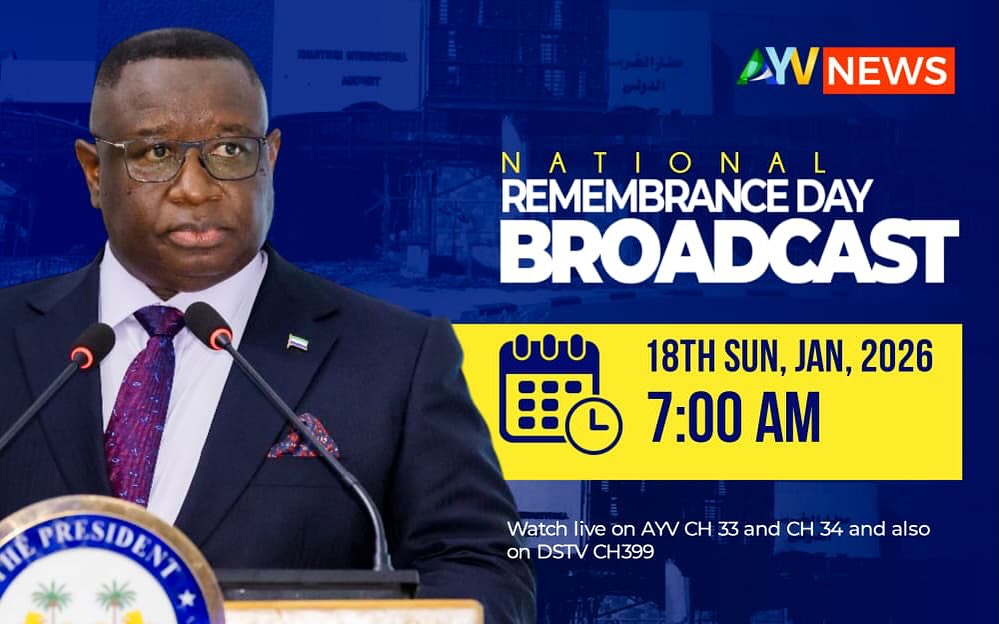
In his address marking Sierra Leone’s first National Day of Remembrance, Julius Maada Bio declared:
For the first time in our history, we gather on a single day to remember our civil war and the heavy price our country paid for peace.
He added:
From this day forward, January 18th belongs to every Sierra Leonean… I ask only that, in your own time and in your own way, our nation may find the grace to heal fully, restore dignity, and move forward together.
These words are eloquent. But they are also hollow.
A nation does not heal through speeches.
It heals through justice.
It moves forward through reforms.
Without these vital elements, a National Day of Remembrance becomes an empty political ritual, one that risks mocking the very people it claims to honor.
TRC Told Us Why the War Happened
Sierra Leone’s civil war was not a mystery. The Truth and Reconciliation Commission (TRC) was unequivocal in its findings. The war was caused by:
- Endemic corruption and abuse of public office
- Collapse of the rule of law and denial of access to justice
- Youth marginalization, unemployment, and exclusion
- Political repression and impunity for the powerful
- Leadership failure at the highest levels of the state
The TRC warned that unless these root causes were dismantled, Sierra Leone would remain vulnerable to instability, violence, and social breakdown.
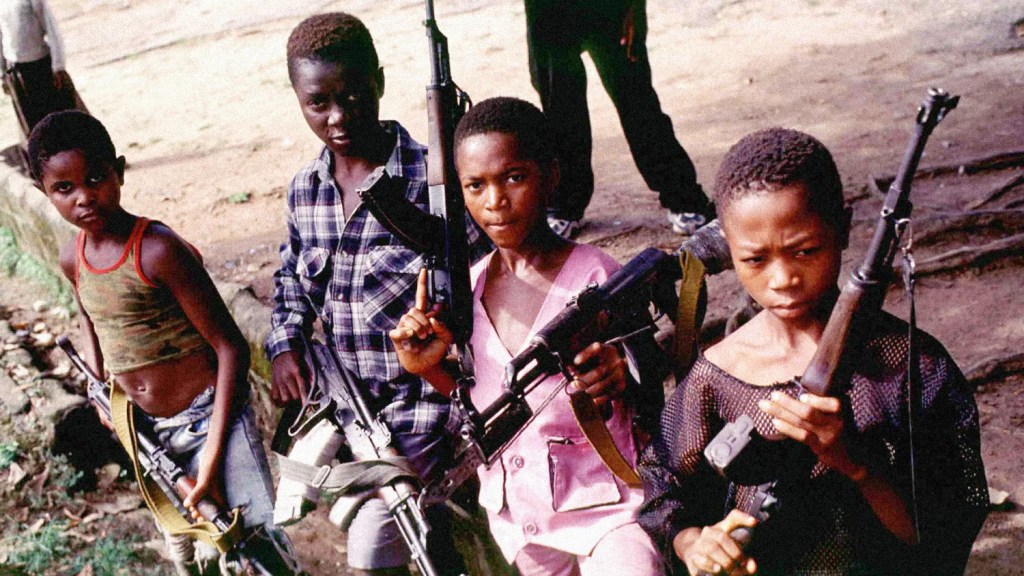
Remembrance, the TRC emphasized, was never meant to be ceremonial. It was meant to be corrective.
How Do We Heal While Recreating the Same Conditions?
This is the question Bio’s speech does not answer. How can Sierra Leone “move forward together” when:
- Corruption in his regime is normalized rather than punished.
- Justice remains inaccessible to ordinary citizens, women, and survivors of violence.
- Young people are unemployed, unemployable, desperate, and drug addicted.
- Whistleblowers, journalists, and outspoken citizens face intimidation and detention?
- Power is exercised without accountability and consequences.
These are not abstract governance failures. They are the same conditions the TRC identified as catalysts for the war. To remember the past while ignoring these realities is to empty remembrance of its moral content.
Women Bear the Highest Cost
History shows that when societies fail, women and girls suffer first. The war years taught Sierra Leone painful lessons:
- Sexual violence thrives where impunity reigns.
- Silence is enforced when justice systems collapse.
- Girls become collateral damage in systems that protect power over people.
Today, despite the rhetoric of progress, women and girls continue to face:
- Rampant sexual and gender-based violence
- Delayed or denied justice
- Retaliation for speaking out
- Political and economic exclusion
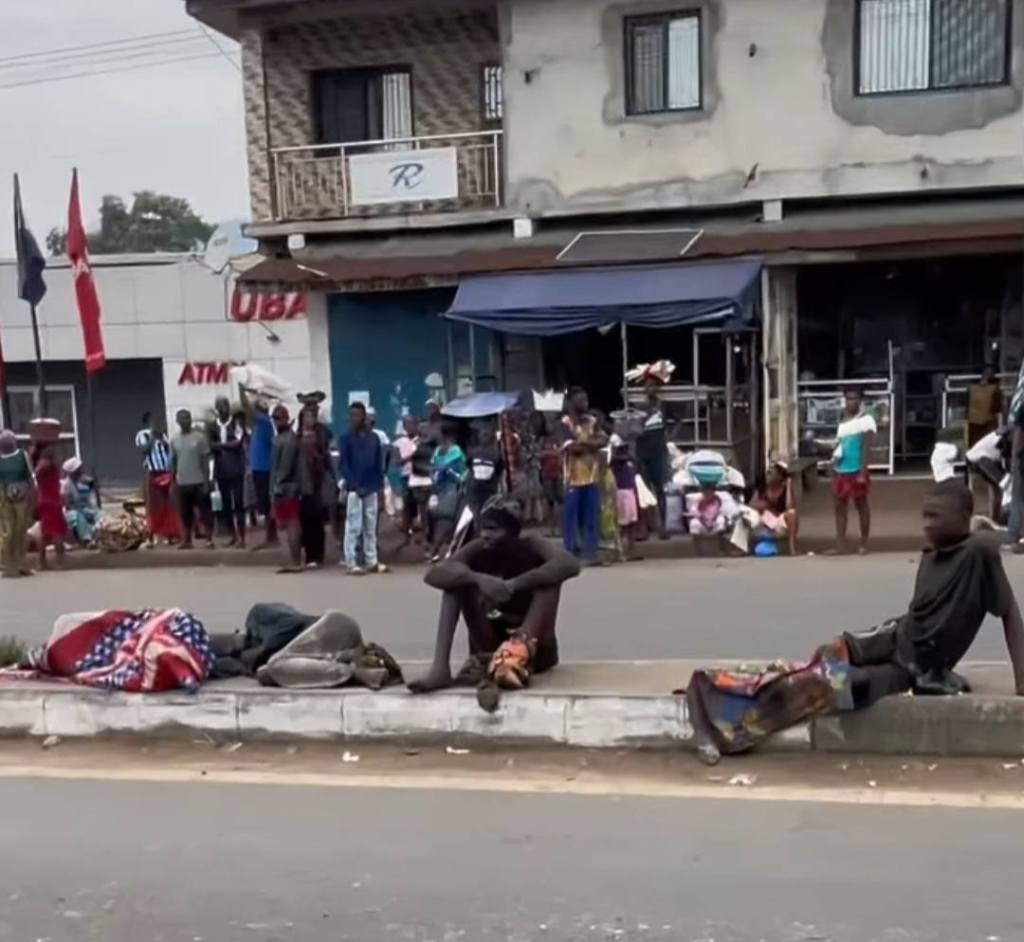
A government that remembers the war but allows these conditions to persist is not protecting its people; it is repeating history.
An Insult Not A Remembrance
A National Day of Remembrance declared by a government that reproduces the causes of the war is not a tribute; it is a contradiction and an insult.
You cannot ask survivors to heal while denying them justice.
You cannot restore dignity while protecting impunity.
You cannot move forward while walking backward into the same failures.
True remembrance demands:
- Serious anti-corruption reform
- An independent and accessible justice system
- Protection for women, girls, journalists, and critics
- Political accountability, not symbolism
Without these, January 18 becomes a day of performative mourning, not national healing.
Sierra Leone does not need another national ceremony. It needs national courage to change its trajectory.
Until the state confronts corruption, injustice, and impunity, not in speeches but in action, remembrance will remain empty, reform will remain deferred, and the warning of the Truth and Reconciliation Commission will continue to go unheeded.
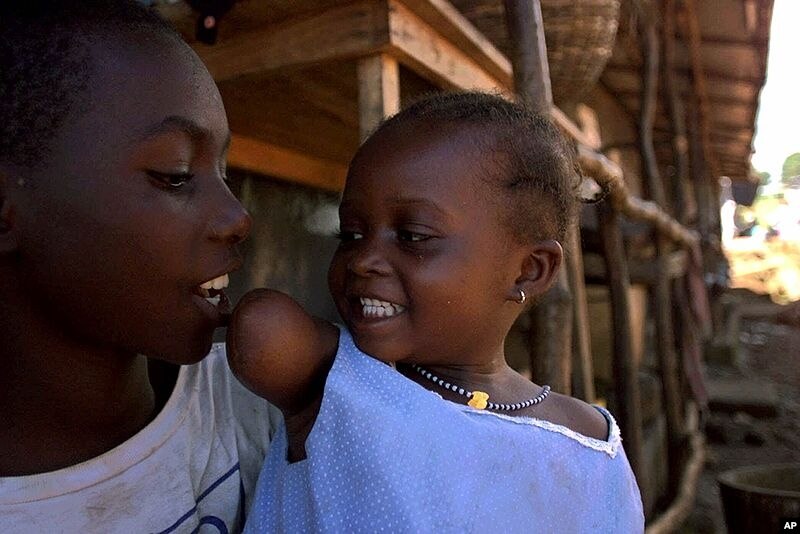
Julius Maada Bio and his regime cannot honor war victims while recreating the conditions that made victimhood inevitable.
That is not remembrance.
It is a betrayal and insult to Sierra Leone’s war victims, and a danger to the nation’s peace, security, and future.
Reference
 MAMA SALONE ~ Lioness of the West Coast