
By Fatima Babih, EdD
Once framed as a fragile post-conflict state struggling to rebuild, Sierra Leone today is under a darker spotlight: not only as a drug transit point, but as a sanctuary, protector, and co-conspirator in the global narcotics trade. The difference is stark, and the consequences for the West Africa region and the world demand urgent attention.
The story of Sierra Leone is no longer just a transit corridor for drug trafficking, it has become a command center for international drug traffickers. The reasons are simple but devastating: proximity, weak oversight, corrupt government, and the growing entanglement between powerful, politically connected criminals and the ruling political elite.
The Evidence Is Staggering
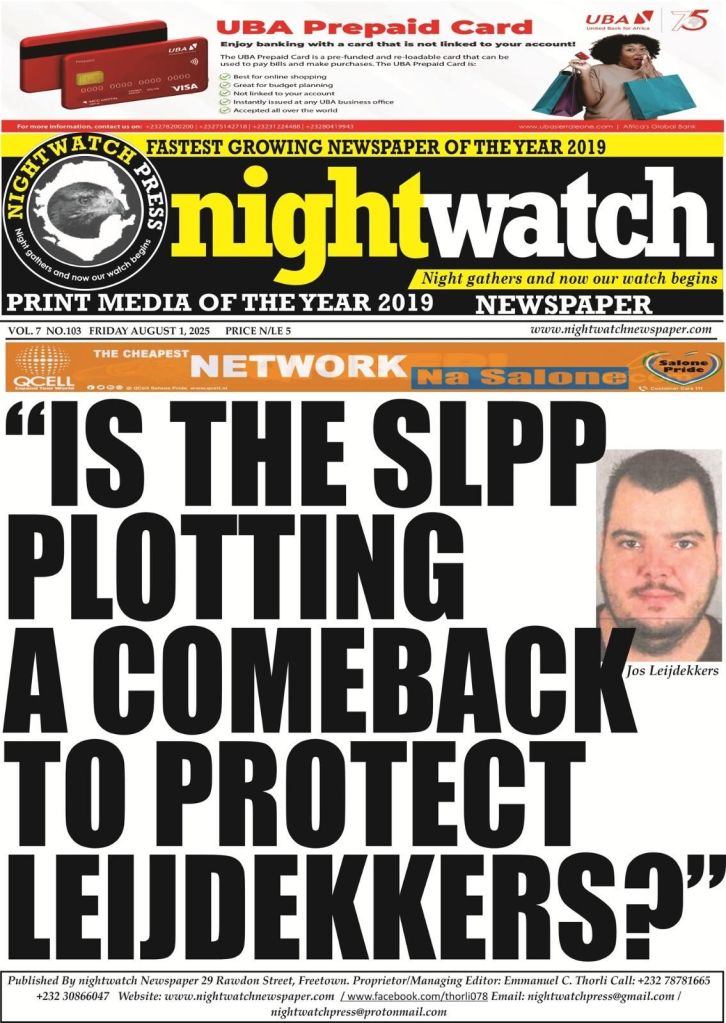
- The Dutch drug lord Johannes Leijdekkers, alias Bolle Jos, Omar Sheriff, and other names, was convicted in absentia by a Rotterdam court: 24 years for smuggling (seven tonnes of cocaine), ordering a murder, and other serious crimes. (The Guardian)
- Investigations suggest that Leijdekkers has been in Sierra Leone since late 2022 or at least early 2023. (The Guardian)
- A compelling evidence spotted Bolle Jos sitting just two rows behind President Julius Maada Bio and his wife Fatima Jabbie Bio during a New Year’s Day family church service in Tihun, Maada Bio’s home village. Bolle Jos sat next to Agnes Bio, daughter of Maada Bio (The Guardian).
- In public and social media appearances, the first lady’s official posts inadvertently captured Bolle Jos among the president’s inner circle (The Guardian).
- Reports from Africa Confidential and other investigative outlets allege that Bolle Jos has taken over existing cocaine smuggling networks inside Sierra Leone. They further claim he recruited officers in national security, immigration, customs, and law enforcement to facilitate operations (Africa Confidential).
- The Chief Immigration Officer, Alusine Kanneh, was later fired after footage emerged showing him receiving a birthday gift from Bolle Jos (The Guardian).
- Sierra Leone was forced to recall its Ambassador to Guinea, Alimamy Bangura, after the Guinean government declared him persona non grata because seven suitcases of suspected cocaine were found in his embassy vehicle (legalbrief.co.za).
- Sierra Leone formally declared a national emergency over the synthetic drug kush (a lethal mix of marijuana, tramadol, fentanyl and other deadly ingredients). This was the government’s way of admitting that the domestic consumption of deadly illegal drugs had now become an urgent national crisis (Reuters).
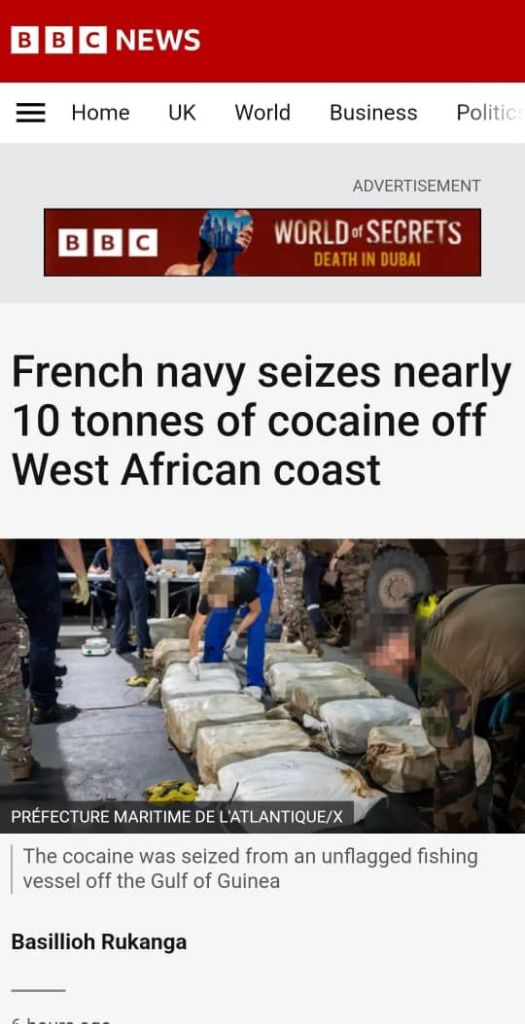
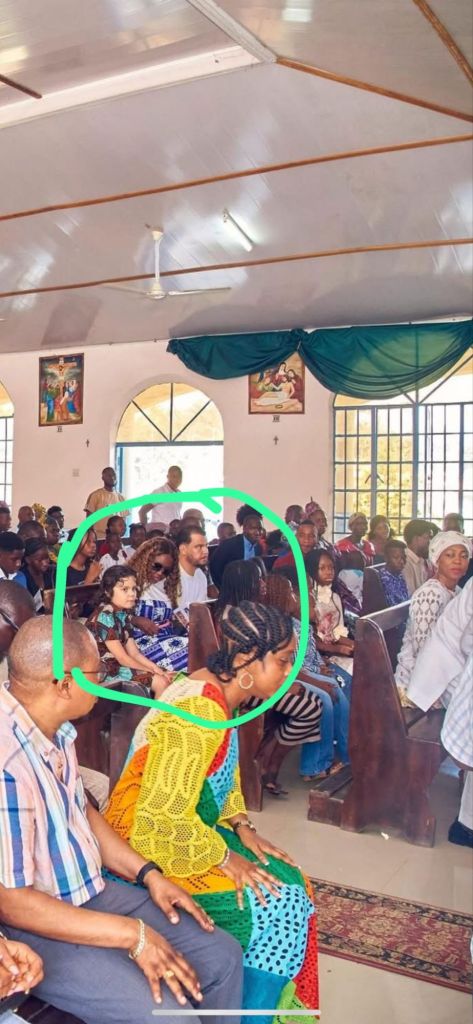
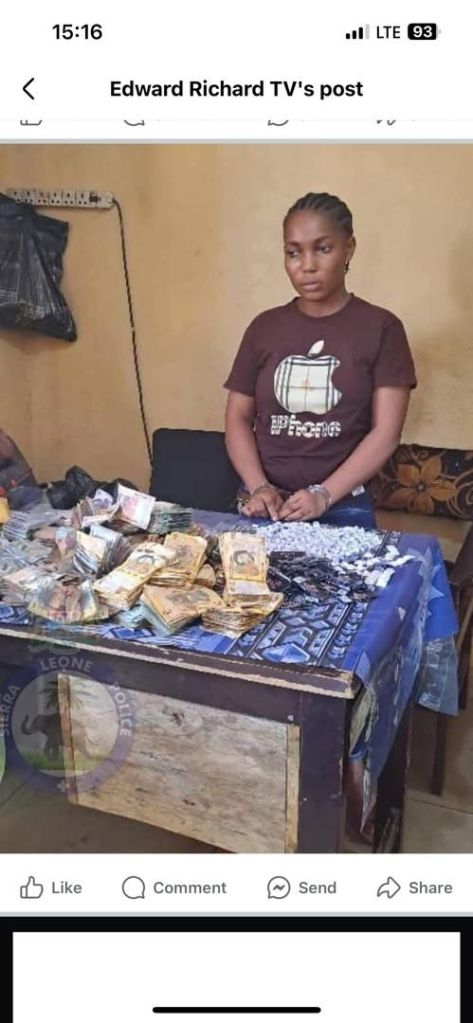
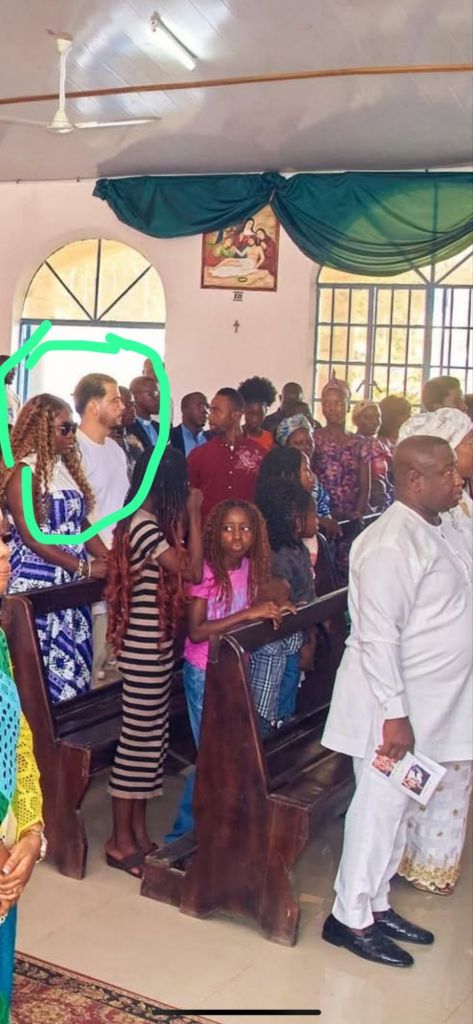
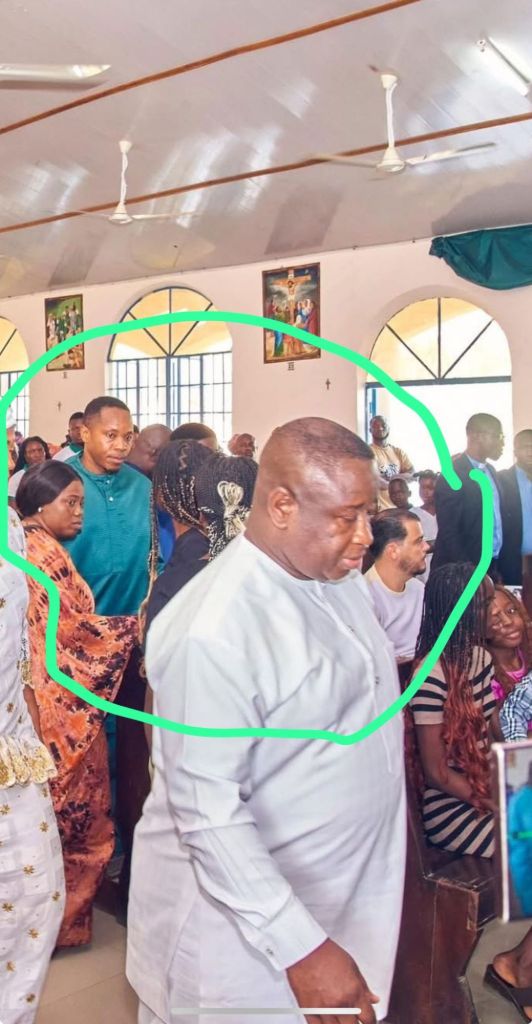

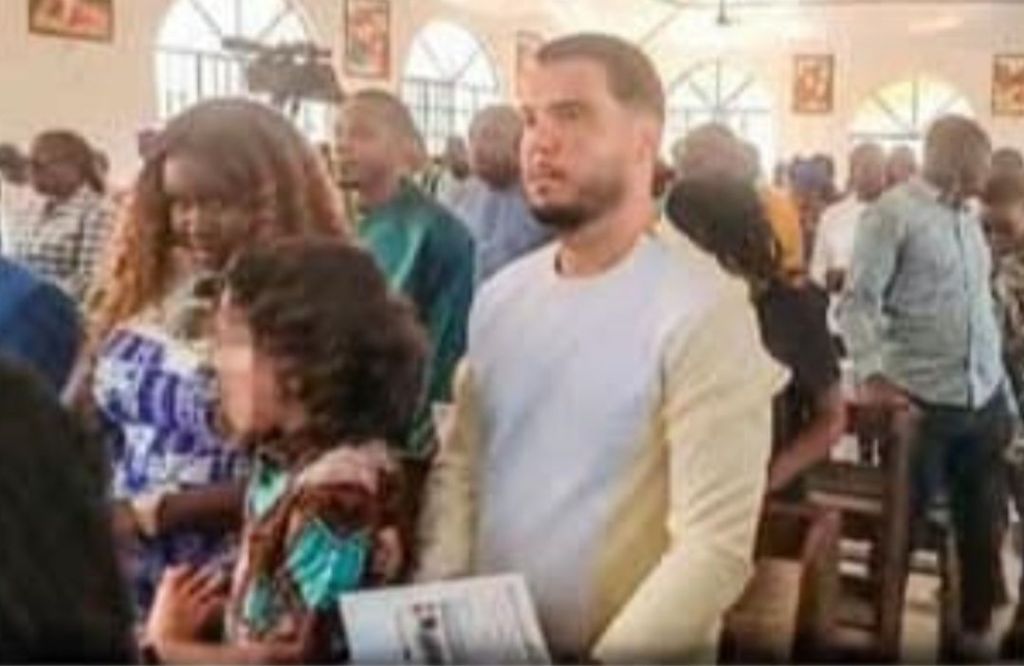
Taken together, the accumulation of these facts doesn’t just hint at corruption or government negligence, it suggests a deeply rooted, systemic complicity that is shielding drug traffickers and undermining any meaningful law enforcement.
Why This Fight Is So Difficult
High-Level Protection & Ties to Power
- The proximity of Bolle Jos to the president’s daughter (and to the presidential family) raises questions the public cannot ignore (Africa Confidential).
- When a criminal of Bolle Jos’ magnitude is allowed to “move freely” into the country and live in elite circles, it’s not a lapse, it is signaling that cannot be ignored.
- The first family and government officials have publicly denied knowledge of Bolle Jos. But repeated denials ring hollow in the face of visual evidence (NL Times).
Weak Institutions & Lack of Oversight
- Sierra Leone lacks an extradition treaty with the Netherlands, complicating efforts to bring Bolle Jos to justice (cocorioko.net).
- Reports suggest bribery, intimidation, and threats against journalists covering the story (Sunday World).
- The Bio government’s pattern is swift action against perceived political opposition, but hesitation when dealing with powerful criminal networks (The Sierra Leone Telegraph).
The Youth Paying the Highest Price
The rise of Kush, addictive substances destroying mental health, families, futures is not incidental. It is part of the damage caused by drug traffickers and their accomplices once they take over a country (Reuters).
Many young people in Sierra Leone already living in dire poverty are vulnerable. They have become the main targets for drug traffickers, not just as consumers, but as mules or low-level operatives throughout the country. The streets are literally littered with dead bodies of victims of this deadly kush.
Throwing them into mass graves has been the government’s best response.
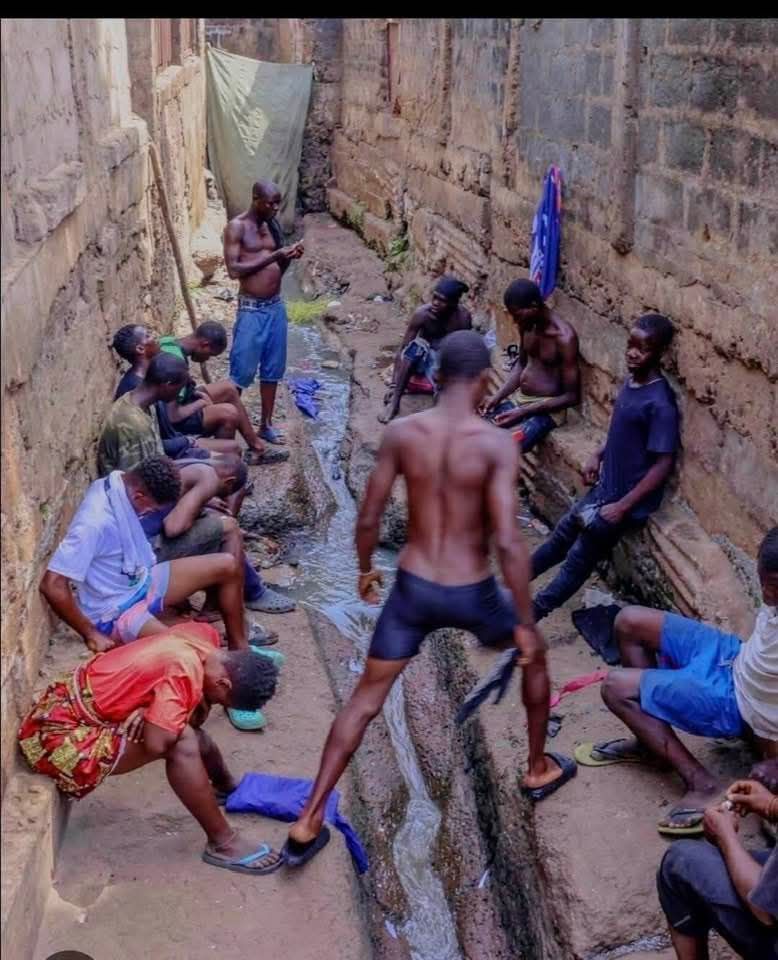
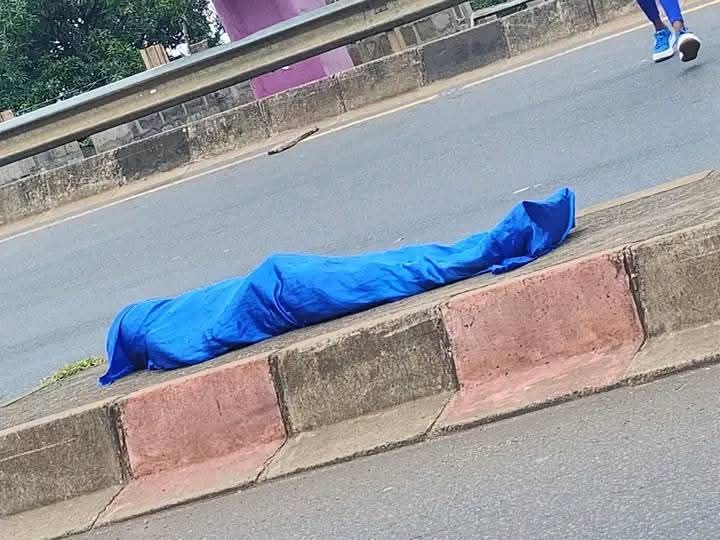
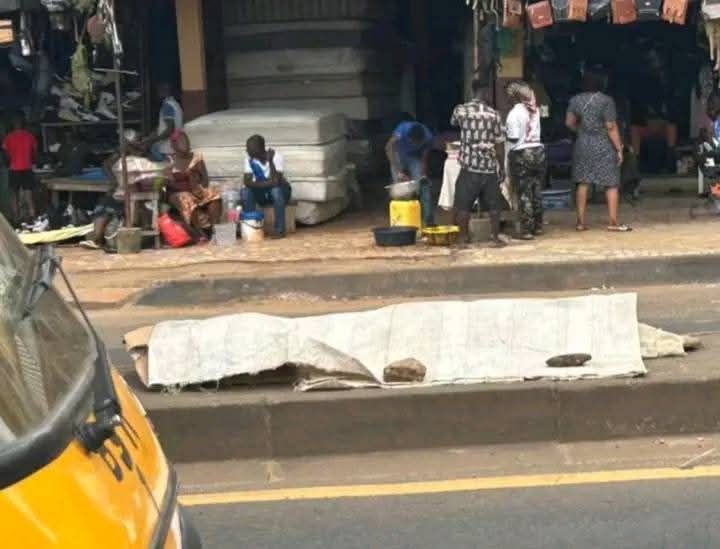
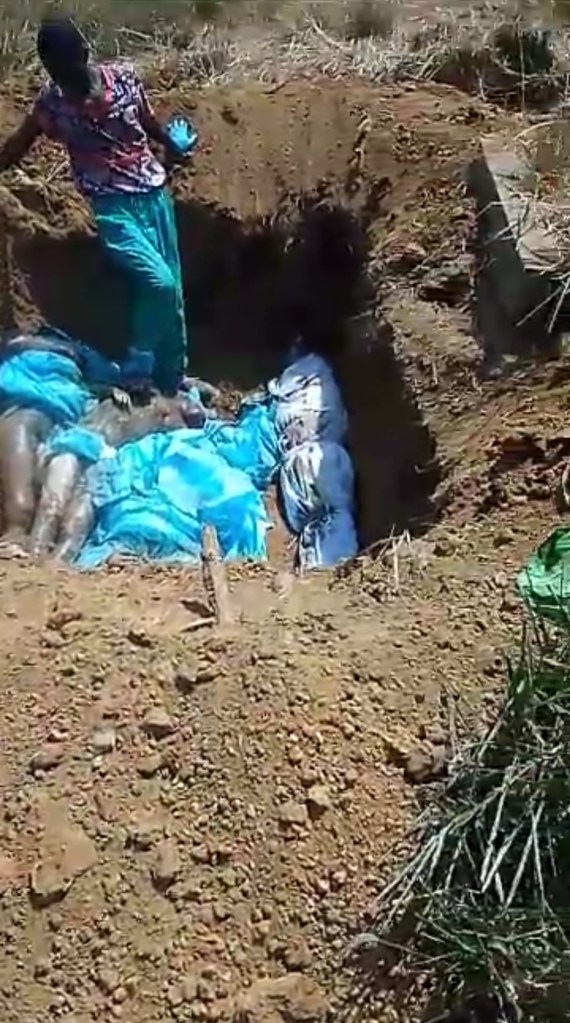

The world is watching silently. European law enforcement agencies are actively seeking Bolle Jos, but are frustrated by Sierra Leone government’s reluctance to cooperate (Reuters). Each scandal further erodes investor confidence, weakens diplomatic standing, and gives confirmation to critics who suggest Sierra Leone is a failed state.
The Moral Imperative
If Sierra Leone is to reclaim its dignity, sovereignty, and moral authority, we must confront not just the drug lords, but those who protect them, profit from them, and cover up for them. We must stop pretending this is just a criminal activity or a societal ill, and admit that it is state capture by criminal networks. This is a battle for our democracy, for the lives of our youth, for a nation worthy of inheriting by our next generations.
We the people of Sierra Leone including the Diaspora cannot afford to be silent observers. If we fail to speak up now, we surrender our national integrity to criminals. If we speak up and act boldly now, we will have a chance to reclaim our nation and its future.
 MAMA SALONE ~ Lioness of the West Coast