
By Fatima Wahab Babih
Looking Back My Life and Times is the autobiography of the erudite Sierra Leonean medical doctor and statesman, Dr. Sama Banya aka Puawui, who is also fondly called Uncle Doctor by his numerous nieces and nephews. In this review, Puawui will be be used to refer to the author.
This book is more than a life story of one man; it is the story of Sierra Leone and its people.
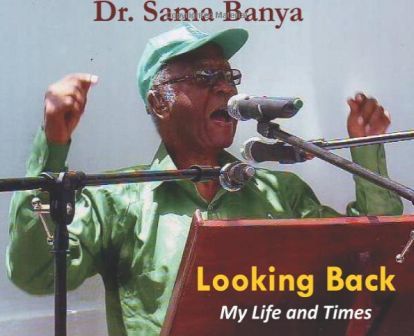
The book reads like a narrative history that tells story after story, taking the reader on a socio-cultural and political journey in Sierra Leone, from the colonial era through independence and recent years. Even though Puawui spent most of his professional life as a politician in Sierra Leone, the book is not so much about politics as it is about the life of a man whose life and lived experiences have been intertwined with the political history of Sierra Leone.
The book takes the reader through a family history that describes the culture and traditions of the Mende and Kissi people of eastern Sierra Leone. His childhood is one to which Sierra Leoneans can relate and empathize, especially the family dynamics, cultural, and social practices that shaped his childhood, boyhood, and adulthood. The reader also gets a glimpse of the lives of Sierra Leoneans during the colonial era, especially the people’s contact and interactions with the British who were serving in the colonial administration.
Puawui’s adolescent years were spent at a boys’ boarding school in southern Sierra Leone. Through the narrations of his boyhood experiences, relationships, successes, and struggles during this period, the reader becomes familiar with what life was like not only for him but for boys in that era. By the time he completes secondary school, his stories are told through the lens of a young adult living in the 1950s Sierra Leone, which was still under colonial rule. Through this lens, stories of the socioeconomic and political struggles of young adults of that era are narrated. From youth’s struggles to find jobs and to pursue higher education, to their involvement with civil and political issues that affected them and the society at large, are offered through the author’s narration of his own experiences.
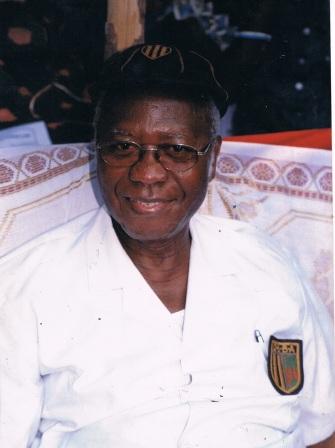
Happy Birthday to Dr. Sama “Puawui” Banya who turned 90 on June 9th!! May he live long, in the best of health, and continue to impart wisdom for all!!
Midway through the book, the stories become about Sierra Leoneans in the diaspora; specifically, in the United Kingdom (UK), where Puawui earned a scholarship to pursue higher education and medical school. Through these narrations, Sierra Leonean diasporas today, (Europe, America, and elsewhere), can compare similarities and differences in the experiences and lifestyles of diasporas of that era. In the UK, while studying and completing his medical training, he encounters interesting people, situations, relationships and all the experiences gained would pave his way into the world of politics in Sierra Leone.
By the time Puawui completes medical school, serves his residencies, and returns to Sierra Leone, the country had gained independence. By then, he was not only returning as a trained doctor but a gentleman with great leadership potential. The narrations of his return to Sierra Leone also tell stories that illustrate how things worked in that era for Sierra Leoneans who returned from the diaspora with professional skills. The rest of the book tells fascinating stories about his practice as a medical doctor in various parts of the country; until his transition into Sierra Leone’s political arena.
Puawui’s life became more dramatic as an adult in Sierra Leone’s politics, where he served in various capacities under the two dominant political parties for several years. Like his childhood stories, Sierra Leoneans can relate and empathize with the stories of his adult life in politics. But most of all, Sierra Leoneans can learn a lot about the trajectory of Sierra Leone politics since independence and can recognize things that are still the same, things that have changed and things that are new in today’s politics.
The narrative writing style, humor, and frankness of this book will appeal to many; one forgets one is reading about one man’s life story. Readers will also appreciate the creative use of the English language, in ways that all readers can understand and appreciate the stories. But what most readers will value is that Puawui does not mince words or sugar coat what he means to say; especially in the narrations of his and others’ experiences and interactions in the politics of Sierra Leone. The book helps the reader connect names to past political events, outcomes, and situations in Sierra Leone.
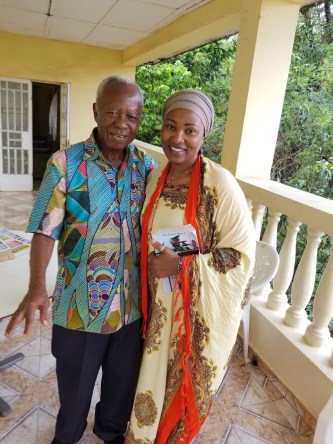
A Pleasant Visit with Uncle Doctor June 2019
This book is educative, I, therefore, recommend it as a “must-read” for all Sierra Leoneans and others who care to learn or refresh their knowledge about Sierra Leone’s history, culture, and politics. Also, university students could benefit greatly from reading this book, as it could help a reader discern what it is that has changed or remained the same in the socio-cultural and political milieu of Sierra Leone society.
I recommend purchasing this book through Amazon.com
Please click on the image below to purchase. Thank you!
 MAMA SALONE ~ Lioness of the West Coast