
By Dr. Fatima Babih
Chief Minister of Disinformation Dr. David Sengeh
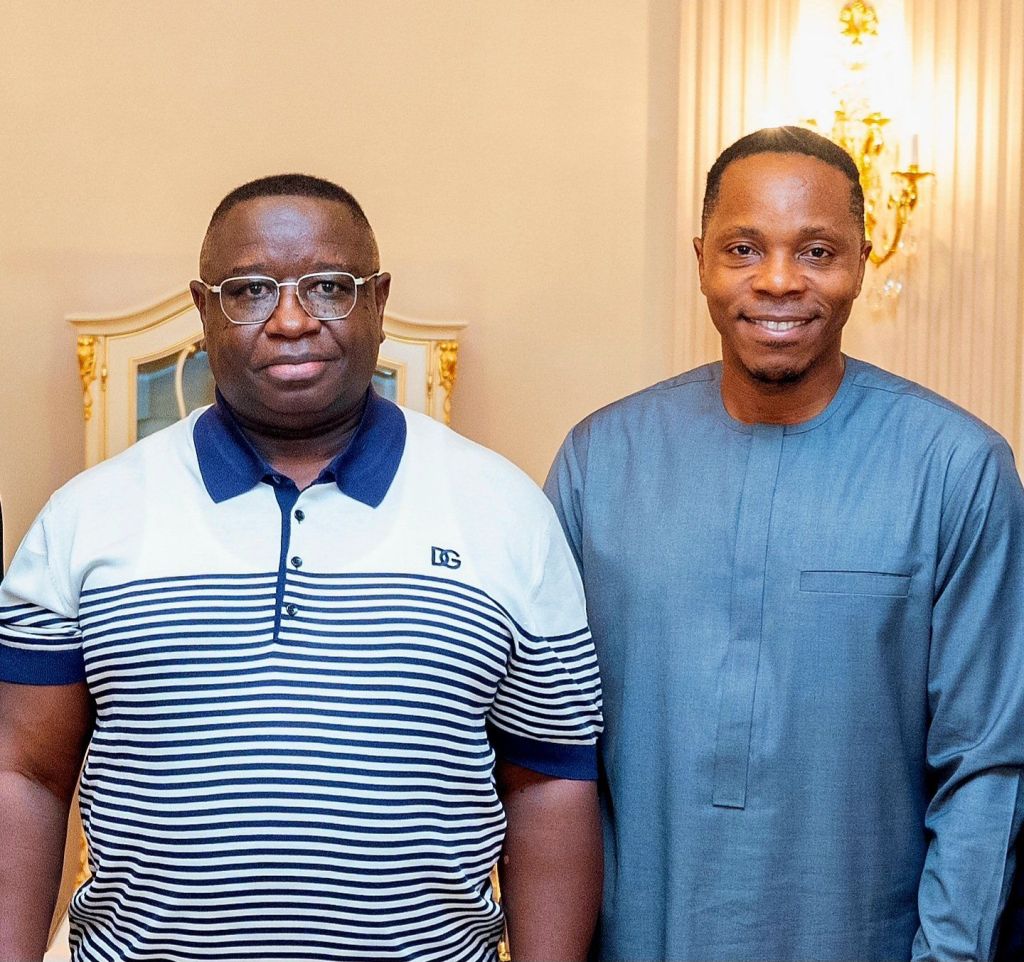
Under the guise of informing the people of Sierra Leone, Dr. David Moinina Sengeh, acting as Chief Minister of Julius Maada Bio’s government, released an audio he labeled audio #28 on September 12, 2024.
In this audio, Sengeh, speaking in Krio, discusses Sierra Leone’s justice sector reform and the newly signed Criminal Procedural Act 2024. However, his statements are misleading, embellished, and omit crucial information, leading to a distorted picture of the reforms.
Sengeh spoke with an air of arrogance and sounded as if his intended audience, the people of Sierra Leone, was a bunch of uninformed, illiterate, and unintelligent people. Some critical areas of Sengeh’s disinformation were meant to blind the people of Sierra Leone to the truth about Julius Bio’s motives and the ugly consequences of his changes in the country’s judicial system.
Sengeh’s Deception #1: Referring to the “reform” and law that Mr. Bio launched and signed that day, Sengeh claimed that these changes had already led to Bio’s government increasing the number of lawyers in the Legal Aid Board (LAB) by the thousands.
First, where did the government find “thousands of lawyers” to add to the LAB? Certainly not in Sierra Leone, given the country’s limited legal workforce. This claim is a blatant lie and indicates the deceptive motive underlying Julius Bio’s justice reform: only on paper, not in reality.
Sengeh’s Deception #2: Sengeh presented existing LAB services as new initiatives by Bio’s regime. He said that Julius Bio’s “commitment to inclusive justice” indicates his provision of legal representation for people experiencing poverty, women, and even political opponents. This statement is another blatant deception, as everything he attributed to Julius Bio’s “commitment” is precisely what the LAB was established to do.
The Legal Aid Board: A Pre-existing Institution
Julius Bio came to power in Sierra Leone in 2018; the LAB was established three years earlier, in 2015, by the Legal Aid Act of 2012, during the Ernest Bai Koroma presidency. However, in his audio statements, Sengeh presented it as a Bio-led innovation to strengthen the justice system. The LAB has since been mandated to provide legal assistance to indigent individuals. Its mission includes:
- Providing free legal representation to the poor, children, and women
- Reducing prison overcrowding in the country
- Addressing systemic inequalities in Sierra Leone’s justice system
So, contrary to Sengeh’s claims, the services he attributed to Bio’s administration as new initiatives are not innovations; they predate Bio’s administration.
Since its establishment, the LAB has primarily provided legal assistance to indigent individuals, particularly those who cannot afford legal representation in criminal and civil cases. The LAB aims to provide vital services to ensure equal access to justice for all citizens, especially the most vulnerable, such as women, children, and individuals with disabilities.
If done effectively, the LAB can provide free legal representation and help reduce prison overcrowding, primarily caused by long-term detention without trial. A well-functioning LAB can also address systemic inequalities in Sierra Leone’s justice system by promoting fair trials and upholding human rights across the country.
Hidden Tragedy of Julius Bio’s Justice Sector Reform Strategy
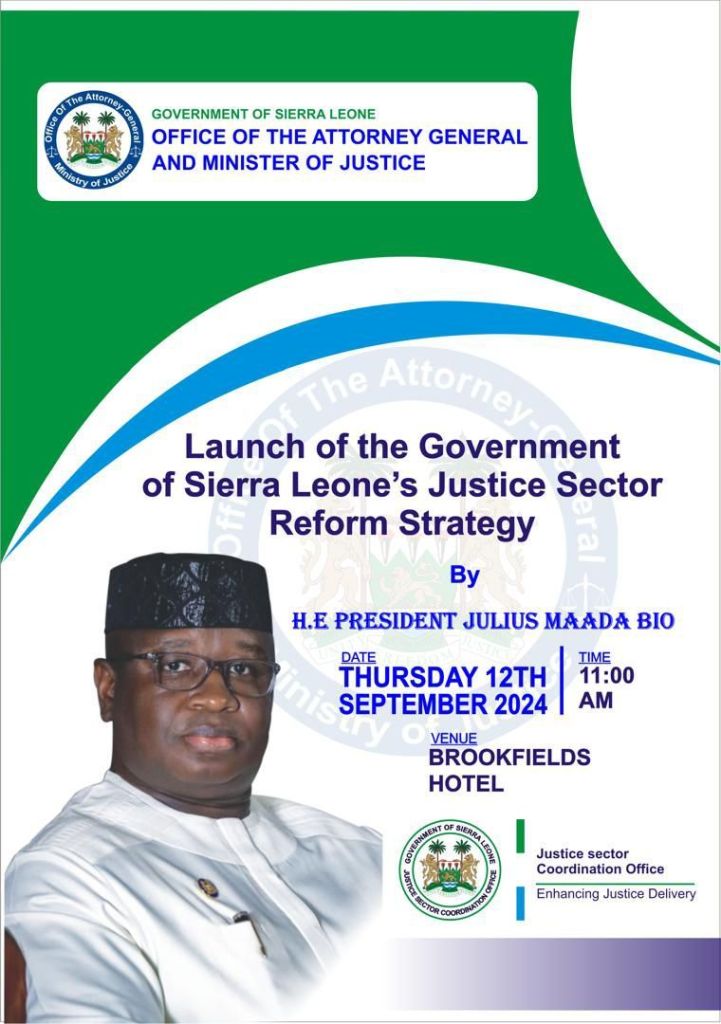
In his audio statement, Sengeh addressed Julius Bio’s signing of the Criminal Procedural Act 2024. However, he never mentioned the most critically tragic change in the new law: the abolition of jury trials in Sierra Leone.
The Criminal Procedure Act 2024 repeals the Criminal Procedure Act of 1965. A significant change in this law is the abolition of jury trials. With the new changes, decisions, and verdicts in criminal cases are now solely in the hands of judges instead of being shared with juries.
The abolition of jury trials in criminal proceedings, a fundamental shift in the new law, poses several risks and could lead to negative consequences. The people of Sierra Leone are already facing the plight of blatantly corrupt judges and Magistrates, whose actions have led the people to view the judicial system in Sierra Leone as corrupt and inefficient. Therefore, this shift could exacerbate these issues and lead to further distrust in the justice system.
Concentration of Power in Judges: Removing juries from judicial procedures puts the responsibility for fact-finding and decision-making solely on judges. Placing all decision-making authority in the hands of judges increases the potential for bias and corruption, which can lead to issues of impartiality. This risk of impartial judgments is especially high in Sierra Leone, where judges are frequently influenced by external pressures, including financial incentives, political interests, religious, tribal, regional, and other biases. The country’s judicial system traditionally lacks transparency. Therefore, concentrating the power of decisions and verdicts solely in the hands of judges is bound to create a fertile ground for bias and unchecked corrupt judicial practices.
Erosion of Public Participation in Justice: Jury trials are a way for ordinary citizens to participate in the judicial processes, which can enhance public trust in the judicial system. Removing juries eliminates this crucial avenue for citizen involvement in the justice system. Without juries, the public no longer has a role in delivering justice. This erosion of public participation can lead to detachment of the judicial system from societal values, especially with a system in Sierra Leone where judges are often foreign to the regions and even the country.
Citizens’ Perception of Unfairness: Juries are generally composed of peers from the jurisdiction where the accused committed the crime. These peers may offer a broader perspective on justice that reflects their societal norms and values. Without juries, accused persons will not be judged by a fair cross-section of society, which can lead to injustice for both the accused and victim.
Lack of Transparency: Removing jury deliberations reduces legal proceedings’ accountability. Jury deliberation is a form of checks and balances within the justice system. Abolishing this system takes away the only form of transparency and accountability in Sierra Leone’s judicial system. This removal of transparency makes it harder for the public to scrutinize legal decisions.
Risk of Judicial Overload: Julius Bio’s changes in the Criminal Procedural Act 2024 effectively transfer legal and factual determination responsibility solely to his appointed judges. This concentration of responsibilities increases the workload on judges. The judicial system, already slow and inefficient, with these changes in the system, legal proceedings could become even slower, especially in complex cases of heinous crimes like rapes and murders, which continue to be on the increase in the country.
The True Motives Behind Bio’s Justice Sector Reform
An analysis of Sierra Leone’s Justice Sector Reform Strategy (2024-2030) reveals that these reforms focus more on attracting international donor support than addressing domestic needs. The reforms align more with global agendas such as the Sustainable Development Goals (SDGs) rather than genuinely addressing the needs of the people of Sierra Leone. Here are some key clues:
Superficial Alignment with the SDGs: The emphasis on achieving SDG 16 appears designed to appeal to the United Nations and international donors. The report frequently references achieving SDG 16 (Peace, Justice, and Strong Institutions) as a strategic goals. With his regime’s track record of gross injustices and human rights abuses in the country since he became president, including several extrajudicial killings, this alignment is designed to position Julius Bio favorably with the United Nations and international donors rather than focusing on meaningful domestic reform. Therefore, these “reforms” are more about optics and international donor approval than addressing the deep-seated issues in Sierra Leone’s justice system.
Donor-Driven Focus: Mr. Bio’s reform strategy’s heavy reliance on external support suggests prioritizing international approval over practical local solutions. The reform strategy emphasizes external financial and technical support, particularly from development partners, to achieve its goals. This dependence on external resources is a significant clue that Julius Bio’s government is prioritizing strategies that appeal to international donors rather than focusing on practical solutions that reflect the immediate needs of the people of Sierra Leone.
Potential Political Maneuvering: By adopting reforms that appeal to international donors, such as claims of improving the efficiency of the legal system and providing an inclusive legal system, Julius Bio’s regime is seeking to attract donor support. These changes are not intended to ensure judicial independence and fairness for citizens of Sierra Leone. These reform efforts point to Mr. Bio’s intention to use them as tools for political gain and international legitimacy, which he lost after rigging the 2023 elections. They are not intended to create a justice system that genuinely serves the people of Sierra Leone.
Therefore, Julius Maada Bio’s recent justice sector reforms in Sierra Leone should raise serious concerns about the true beneficiaries of these changes. While presented as progressive steps towards a more efficient and inclusive justice system, a closer examination reveals a troubling disconnect between the government’s claims and the potential real-world impacts on Sierra Leone’s citizens.
The abolition of jury trials, in particular, stands out as a regressive move that concentrates power in the hands of potentially corruptible judges and removes a crucial element of public participation in the justice process. This new non-jury justice system, combined with the government’s apparent focus on appealing to international donors rather than addressing the immediate needs of the people of Sierra Leone, paints a picture of a reform strategy that seeks external perception over genuine, grassroots improvements in the country.
As Sierra Leone continues to be ruled by a president whose election win is still questionable, it is crucial for both citizens and the international community to critically examine these reforms. Actual justice sector improvement must prioritize transparency, accountability, and the genuine needs of the Sierra Leonean people over superficial alignment with global agendas. Only then can Sierra Leone hope to build a justice system that truly serves all its citizens and upholds the principles of fairness and equity.
 MAMA SALONE ~ Lioness of the West Coast