
By Dr. Fatima Babih
In a shocking display of cruelty and disregard for human rights, a recent video from Lower Bambara Chiefdom in Sierra Leone has exposed the horrific treatment of young girls. This incident is not just an isolated case of abuse but a symptom of deeper, systemic issues plaguing girls in the nation.
The Incident
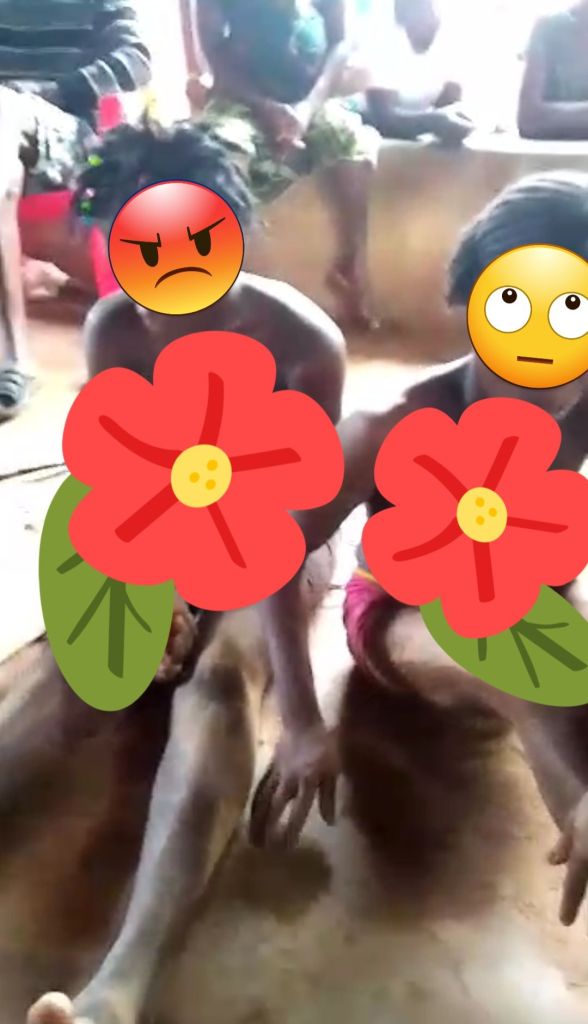
The video, recorded in Kamaso, Lower Bambara Chiefdom, shows three young girls subjected to inhumane treatment. The narrator, Mohamed Lahai, stated in the Mende language that the girls had been tied up and beaten, and in the video, they were:
- Stripped naked, wearing only underpants
- Forced to sit on a bare floor covered in dust
- Publicly humiliated and interrogated by Lahai
- Promised further exposure and humiliation on social media
The girls, accused of stealing food items and a phone, were subjected to this cruel and unusual punishment by adults who should have protected them. This incident raises serious questions about the state of child protection and human rights in Sierra Leone.
The Broader Context
While theft cannot be condoned, it’s crucial to understand the context in which these girls live:
- Widespread Poverty: The UN’s Food and Agriculture Organization (FAO) reports that more than 80% of Sierra Leone’s population is food insecure. These girls, like many others, live in abject poverty.
- Lack of Basic Infrastructure: Many parts of the country, including where these girls live, lack basic amenities like electricity and roads.
- Corruption at the Highest Levels: While these girls face harsh punishment for allegedly stealing food, those in power seem to do the same with impunity:
- The First Lady, Mrs. Fatima Maada Bio, has faced allegations of misappropriating government funds without real investigation or consequences.
- The Clerk of Parliament, Paran Tarawally, allegedly employed his wife as a “ghost worker,” paying her thousands of dollars over the years before being caught.
The Real Issues
This incident highlights several critical issues:
- Lack of Child Protection: The treatment of these girls is a clear violation of their rights and dignity. It shows a severe lack of proper child protection mechanisms in Sierra Leone.
- Normalization of Corruption: When high-ranking officials engage in alleged theft without consequences, they send a message to young people that such behavior is acceptable.
- Poverty and Desperation: The items allegedly stolen – mainly food – point to the desperate conditions many Sierra Leoneans face daily.
- Gender Discrimination: The public humiliation of these girls, coupled with the narrator’s comments about exposing female thieves, reveals deeply rooted gender biases.
The Devastating Consequences: Trauma and Long-term Psychological Damage
The public maltreatment of these young girls has far-reaching consequences that extend beyond the immediate incident:
For the Victims: The girls subjected to this cruel treatment are likely to suffer severe and long-lasting trauma. Public humiliation, physical abuse, and the violation of their privacy can lead to:
- Post-traumatic stress disorder (PTSD)
- Depression and anxiety
- Low self-esteem and self-worth lead to destructive lifestyles
- Trust issues and difficulty forming relationships
- Potential for self-harm and harming others, especially children
For children watching the incident: Children who witnessed this abuse or watched it on their parents’ phones may also experience secondary trauma:
- Normalization of violence against girls
- Fear and anxiety about their safety
- Desensitization to cruelty, potentially leading to a cycle of abuse
Reinforcement of Harmful Societal Norms
- Perpetuation of Gender Inequality: This incident reinforces the notion that girls and women are lesser members of society, deserving of harsh treatment and public shame.
- Victim-Blaming Culture: By focusing on punishing the girls in this horrific manner rather than addressing root causes, society shifts blame onto victims of systemic failures.
- Erosion of Community Trust: Such public displays of cruelty can fracture community bonds and create an atmosphere of fear and mistrust.
Broader Societal Impact
- Cycle of Poverty and Crime: Harsh punishments without addressing underlying issues can push vulnerable individuals further into desperation and criminal behavior.
- Deterioration of Human Rights: Accepting such treatment of girls sets a dangerous precedent for human rights violations.
- International Reputation: Incidents like these damage Sierra Leone’s global reputation, potentially affecting tourism, foreign investment, and aid.
Education and Future Prospects
- The girls involved and others who hear of this incident may be discouraged from pursuing education out of fear or shame.
- This can perpetuate the cycle of poverty and limit future opportunities for girls in the community.
Health Risks
- Public exposure and physical abuse pose immediate mental health risks to the victims.
- The trauma may lead to long-term health issues, including compromised immune systems and increased susceptibility to various illnesses.
These consequences highlight the urgent need for systemic change in Sierra Leone. The incident in Lower Bambara Chiefdom is not just a momentary lapse in judgment; it reflects deep-seated issues that require immediate and sustained action. By addressing these consequences and working towards meaningful change, we can build a safer, more equitable future for all citizens in Sierra Leone, especially the most vulnerable.
A Call to Action
It’s time for Sierra Leone’s government and ordinary citizens in the society to seriously consider engaging in the following actions:
- Educational Programs: Implement comprehensive programs to educate communities about children’s rights, gender equality, and the long-term impact of abuse.
- Enforce Child Protection Laws: Immediate action must be taken against Mohamed Lahai, the narrator, and all others who abused these girls in Kamaso.
- Community Engagement: Involve local leaders, educators, and families in creating a supportive environment that values and protects all children.
- Address Corruption: Hold high-ranking officials accountable for corruption.
- Tackle Poverty: Implement effective policies to address food insecurity and poverty.
- Promote Gender Equality: Challenge societal norms that discriminate against girls and women.
 MAMA SALONE ~ Lioness of the West Coast