
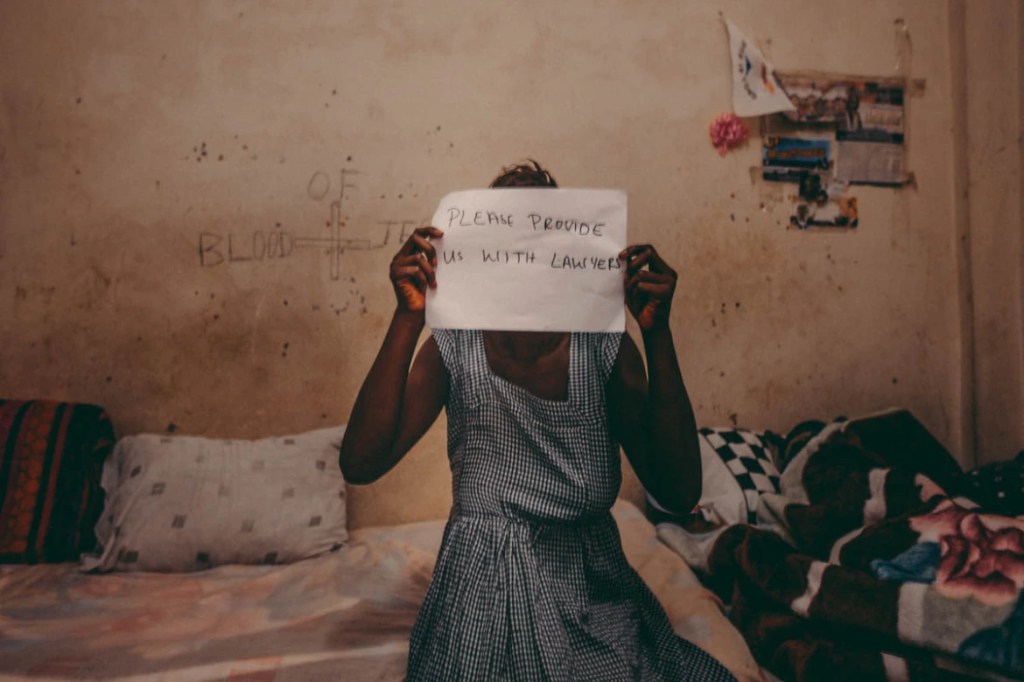
AS REVEALED BY SIERRA LEONE AUDITOR GENERAL
“The Sierra Leone Correctional Service – Welfare of Inmates
The following were observed:
- There was no evidence to show that inmates were medically examined upon discharge.
- A review of the medical reports by the psychiatric revealed that female inmates were not fit to plea yet were kept at the centre.
- Sick inmates were admitted at the centre and taken to a government hospital when their health become severe as a result of the lack of adequate drugs and equipment.
- Sick inmates were laid on bare mattresses on the floor of the hospital within the male facility at the Freetown Correctional Centre.
- The hospital did not have equipment such as oxygen concentrator, cardiopulmonary resuscitator, and electrocardiogram (ECG) for heart examination.
- Pharmaceutical supplies were not adequate for the number of inmates.
- Various drugs were combined in a single dosage and administered to sick inmates irrespective of the nature of their illnesses.
- The jail cells were overcrowded, especially at the maximum correctional centre.
- Cells were not airy or well ventilated, and lacked minimum floor space when one considered the number of inmates within each cell.
- The toilet facilities were inadequate for the number of inmates in all the male correctional centres visited.
- The provincial centres were challenged with water supply, as bore holes dried up during the dry season which led to inmates fetching water outside the premise of the prison.
- Monosodium crystals, commonly known as “white maggi” was an ingredient of the sauces, even though it is known to have links with health hazards (Pedial-Edema) to inmates.
- The rehabilitation programme, especially in the provincial correctional centres, were not adequate with little or no facilities in some areas visited.
- Equipment for skills trainings were inadequate to cater for the number of sentenced inmates that were willing to participate in the skills training even though they were trained in batches.
- Evidence of inmates’ ID cards were also not provided to confirm that they were legitimate.”
Excerpted from: Annual Report on the Account of Sierra Leone 2020, (p. xi).
 MAMA SALONE ~ Lioness of the West Coast